Natural Remedies for Trigeminal Neuralgia Pain: What Helps

Natural remedies for trigeminal neuralgia pain can support coping, sleep, stress control, and general nerve health, but they do not reliably stop trigeminal neuralgia attacks or replace medical treatment. Trigeminal neuralgia (TN, sometimes shortened to TGN) is a chronic facial pain disorder involving the trigeminal nerve, the main sensory nerve of the face, and the pain is often described as sudden, stabbing, or electric shock-like. The safest natural treatment options are the ones that lower triggers and reduce strain on the nervous system while a neurologist handles diagnosis and proven treatment.
Table of Contents
Understanding Trigeminal Neuralgia
Trigeminal neuralgia is pain from the trigeminal nerve, which is cranial nerve V and carries sensation from the face to the brain. TN usually affects one side of the face and often hits the jaw, cheek, teeth, or temples in short, intense episodes of pain. Eating, talking, brushing the teeth, washing the face, or even a cool breeze can trigger an attack.
The most common cause is compression of the trigeminal nerve by nearby blood vessels. TN can also happen with multiple sclerosis or a tumor, which is why proper workup matters. Diagnosis usually starts with the pain story, a neurological exam, and magnetic resonance imaging (MRI) to look for compression or another cause. ADA

Natural Treatments for Trigeminal Neuralgia
Natural treatments for trigeminal neuralgia are best viewed as supportive care, not as a cure. Mayo Clinic notes that alternative treatments for TN have not been studied as well as medicines or surgery and that there is often little evidence to support them. Specialty neurosurgical sources such as Neurosurgeonsofnewjersey.com make the same point more bluntly: natural approaches may help you cope, but they usually do not produce strong or lasting TN relief on their own.
Dietary Modifications / Nutritional Adjustments
No trigeminal neuralgia diet has strong proof behind it. The practical goal is to reduce triggers and protect nutrition. Soft foods, lukewarm drinks, and slower chewing can help, if chewing or temperature changes trigger pain. Nutrients such as vitamins B12 and B6, magnesium, and omega-3 fatty acids support nerve health in general, but no supplement plan has been proven to control TN attacks. High-dose vitamin B6 is not harmless either, since excess B6 can itself cause peripheral neuropathy.
Herbal Supplements / Herbal Remedies
No herbal remedy has solid evidence as an effective trigeminal neuralgia treatment. Herbal supplements may support general health or stress control, but TN-specific proof is weak, and interactions with prescription medicines are a real problem. Capsaicin, a compound from chili peppers, is used in some topical pain products, yet standard labels warn against putting capsaicin on the face, eyes, mouth, or irritated skin. That matters for TN, where the pain is already close to sensitive facial structures. NCBI
Hot or Cold Compresses / Heat Therapy
Heat therapy helps some people relax tight jaw muscles, but this is not a universal win. In TN, even light touch or a cool breeze can trigger pain, so hot or cold compresses can calm one person and set off another. Use a gentle wrapped compress, test carefully, and stop fast if the contact itself triggers an attack. Direct ice on the face is a bad bet for many TN patients.
Meditation and Yoga / Stress Reduction Techniques
Meditation, deep breathing, yoga, and other stress reduction techniques can help lower tension and improve pain coping. They do not remove a blood vessel that is pressing on the trigeminal nerve, so they are not a direct fix. Their value is indirect: they can calm the nervous system, reduce stress-related flare sensitivity, and make chronic pain easier to live with. That is useful, but it is still support care.
Acupuncture
Acupuncture is one of the few natural treatment options with some TN-specific research behind it. A 2023 review found that acupuncture may reduce trigeminal neuralgia pain and attack frequency, but the evidence quality was low because many of the studies had substantial bias. Broader pain research shows acupuncture can help some pain conditions and may work through nervous-system effects and endorphin release. The honest conclusion is simple: acupuncture may help some people as an add-on, but it is not established as a reliable standalone TN treatment.
Magnesium Supplements
Magnesium supports muscle and nerve function, so the idea makes biological sense. The problem is that biological sense is not the same as proven TN benefit. There is no established magnesium protocol for trigeminal neuralgia. Magnesium supplements can cause diarrhea, can become dangerous in kidney failure, and can interact with antibiotics and several other medicines. Use magnesium only with some discipline, not with the usual supplement-shop guesswork.

Physical Therapy
Physical therapy does not treat a compressed trigeminal nerve. Physical therapy can still help selected patients when jaw muscles, neck guarding, posture problems, or movement fear are adding extra tension and disability on top of the nerve pain. The direct evidence for TN is sparse, but physical therapy is a reasonable support tool for function, muscle relaxation, and pain management when it is tailored to the individual.
Adequate Sleep
Adequate sleep matters more than most people admit. Poor sleep and chronic pain feed each other. Sleep does not cure TN, but poor sleep can increase pain sensitivity and make the nervous system more reactive. If TN is already exhausting your body, bad sleep makes the whole cycle worse. Sleep hygiene is not glamorous, but it is one of the few low-risk habits that improves pain resilience.
Upper Cervical Chiropractic Care
This is one of the weakest claims in the natural-treatment space for TN. Some practitioners argue that the atlas and axis vertebrae affect nerve function enough to reduce TN pain, but solid TN-specific evidence is lacking. Mayo Clinic lists risks of chiropractic adjustment that include an increased risk of stroke in certain upper-neck situations. For TN, high-velocity neck manipulation should not replace a neurologic evaluation, imaging, or evidence-based care.
Essential Oils
Essential oils such as lavender and peppermint are often used for relaxation, stress reduction, or short-term comfort. Reviews of neuropathic pain note interest in essential oils, but the evidence is still limited and not standardized. Lavender has some support for relaxation and sedative effects, while peppermint is more stimulating. That means essential oils may help mood, stress, or sleep in some people, but they are not proven trigeminal neuralgia therapy. If you use them, dilute them well and keep them away from the eyes, mouth, and broken skin.
When Natural Treatments Don’t Work: Exploring Other Options
Move past natural-only care, if the shocks are frequent, if eating becomes hard, if weight is dropping, or if pain keeps breaking through daily life. NHS guidance notes that common painkillers such as paracetamol and ibuprofen often do not help trigeminal neuralgia. That is a sign to stop wasting time on weak tools and get evaluated properly.
A neurologist can sort out whether the pain fits TN, whether another facial pain disorder is involved, and whether MRI is needed to look for multiple sclerosis, tumor, or a compressing blood vessel. That step matters because the right treatment depends on the cause, not on guesswork.
Treatment Options
Treatment options for TN move from medication to procedures and surgery, depending on response and cause. This is where evidence is much stronger than it is for natural remedies. If a natural approach helps you cope, keep it as support. If it does not control the pain, move to proven treatment instead of dragging out the problem.

Medical Management
Medical management is usually the first real treatment step. Mayo Clinic and the NHS both list carbamazepine as the usual first medicine for TN. Other options include oxcarbazepine, lamotrigine, phenytoin, gabapentin, pregabalin, and baclofen. Botox injections may help some people who no longer respond to medicines, but that evidence is still developing.
Microvascular Decompression (MVD)
Microvascular Decompression (MVD) is the main surgical option when a blood vessel is pressing on the trigeminal nerve. The surgeon moves the vessel away from the nerve and places a cushion between them. Mayo Clinic notes that MVD can stop or reduce pain for many years, and the NHS says it offers the best long-term pain relief when it is appropriate. The trade-off is obvious: this is major surgery, and risks include hearing loss, facial weakness, facial numbness, stroke, and other complications.
Gamma Knife Radiosurgery (GKRS)
Gamma Knife Radiosurgery (GKRS) is a noninvasive option that sends focused radiation to the trigeminal nerve root. The radiation damages the nerve enough to reduce or stop pain signals. Pain relief is not instant and may take up to a month. It works for many people, but pain can return over time, and facial numbness is a known side effect.
Pain Stimulators
Pain stimulators fall under neuromodulation. These approaches try to change how pain signals are carried rather than cutting or decompressing the nerve. Mayo Clinic describes peripheral nerve stimulation, ganglion stimulation, transcranial magnetic stimulation, and deep brain stimulation as possible options in selected cases, but not first-stage care. Reviews of neuromodulation show interest and some promise in refractory facial pain, yet the evidence is still limited and inconsistent. This is a specialist option for hard cases, not a casual next step.
The Surprising Connection Between Gum Health and Trigeminal Neuralgia
The gum-health connection is real, but most people misunderstand it. Gum disease does not usually cause classic trigeminal neuralgia. The real issue is overlap. TN pain is often felt in the jaw, teeth, or gums, and many people see a dentist before they see a neurologist. Dental pain, cracked teeth, infection, or gum inflammation can mimic facial pain or add a second pain source on top of TN. Cleaning up gum problems does not fix the trigeminal nerve, but it can remove noise from the picture and make diagnosis cleaner.
Oral health and nutrition also work in both directions. The American Dental Association (ADA) states that diet and oral health affect each other both ways. If TN makes chewing painful, people often eat less or choose worse foods. If the gums are inflamed too, brushing and eating become harder again. That can leave the whole mouth more irritated than it needs to be.
How Nature’s Smile Supports Oral and Nerve Health?
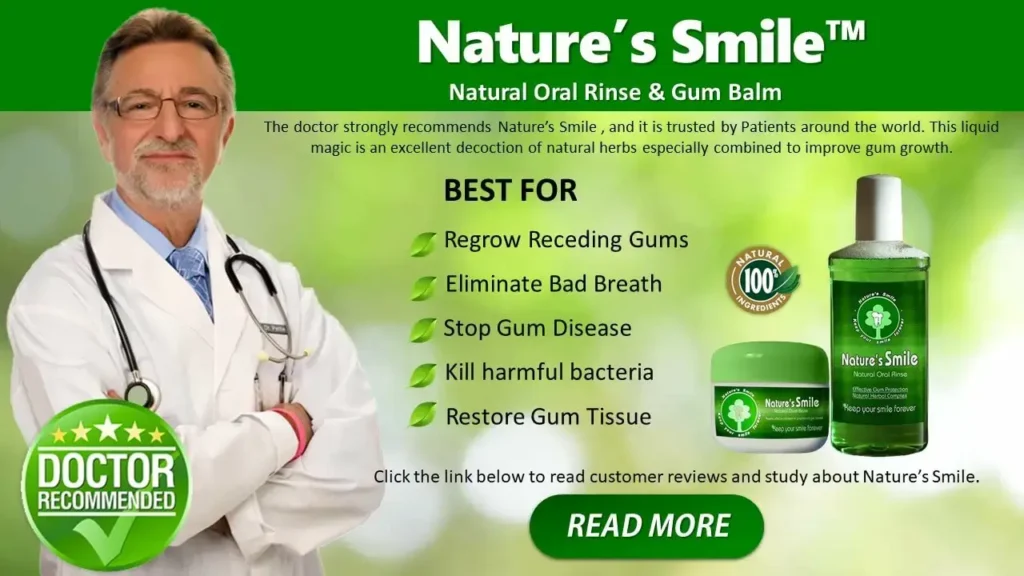
One natural solution many people use is Nature’s Smile, a herbal oral care formula designed to support gum health and reduce harmful bacteria.
Unlike harsh chemical mouthwashes, this formula uses plant-based ingredients known for antimicrobial and anti-inflammatory properties.
Key benefits of Nature’s Smile
- Helps reduce gum inflammation
- Supports healthier oral bacteria balance
- Promotes stronger gums
- Helps fight infections naturally
Since oral inflammation can contribute to nerve irritation, maintaining healthy gums may indirectly help reduce trigeminal neuralgia triggers.
Many users appreciate that it’s made from natural botanical extracts rather than synthetic chemicals.
Using it regularly as part of your oral routine may support long-term mouth and nerve health.
Gentle Oral Care Habits That Protect the Trigeminal Nerve
Simple oral care habits can prevent inflammation that may irritate the trigeminal nerve.
Helpful habits include
- Brushing with a soft-bristle toothbrush
- Avoiding aggressive brushing
- Using natural oral care products
- Maintaining healthy gums
- Flossing gently
Adding Nature’s Smile to your oral care routine may further help reduce bacteria and support gum health. Healthy gums mean less inflammation near facial nerves, which can reduce possible triggers.
Final Thoughts: Relief May Be Closer Than You Think
Living with trigeminal neuralgia can feel overwhelming. The sudden pain, the unpredictability, the fear of triggers—it can disrupt everyday life.
But nature provides tools that can help restore balance.
From anti-inflammatory herbs and nerve-supporting nutrition to improved oral health with solutions like Nature’s Smile, natural strategies can support your body’s healing process.
The key is consistency.
When you nurture your nerves, gums, and overall health, you create the conditions for lasting relief and resilience.
Your journey to natural relief can start with one simple step.