Pyorrhea Gum Disease: Causes, Symptoms, and Natural Ways to Protect Your Gums

It usually begins with something small. A little blood when you brush. A strange metallic taste in your mouth. Or persistent bad breath that doesn’t go away.
Most people ignore these early warning signs. But over time, the problem quietly grows worse until your gums become inflamed, sensitive, and even start pulling away from your teeth.
This condition is known as pyorrhea gum disease, a serious form of periodontal disease that can gradually destroy the tissues and bone that hold your teeth in place.
The scary part? Many people don’t realize they have it until the damage has already started.
The good news is that understanding the causes, symptoms, and natural ways to support gum health can help you protect your smile before it’s too late.
In this guide, you’ll learn what pyorrhea gum disease is, what causes it, the warning signs to watch for, and natural ways to support healthier gums.
Table of Contents
What Is Pyorrhea Gum Disease?
Pyorrhea is another name for advanced periodontal disease, a bacterial infection that affects the gums and the structures supporting your teeth.
It usually develops when plaque — a sticky film of bacteria — builds up on the teeth and gums. If not removed through proper brushing and flossing, plaque hardens into tartar and triggers inflammation in the gums. Cleveland Clinic+1
Over time, the infection spreads deeper below the gumline and begins damaging the tissues and bone that anchor the teeth.

In advanced stages, this can cause:
- Deep gum pockets
- Bone loss
- Gum recession
- Loose teeth
- Tooth loss
Because the disease progresses slowly, many people live with it for years without realizing the damage being done.
Common Signs and Symptoms of Pyorrhea
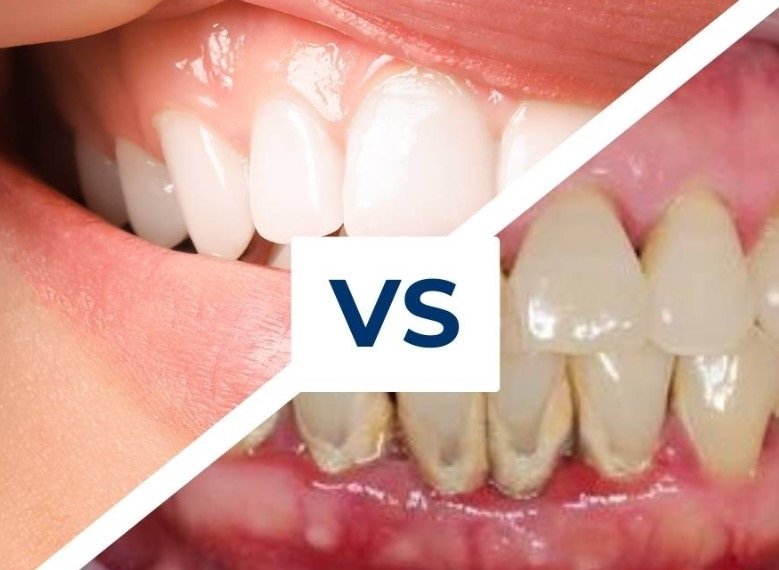
Recognizing early symptoms is essential for protecting your gums. Healthy gums should be firm, pink, and fit snugly around your teeth. When gum disease develops, noticeable changes begin to appear.
Common symptoms include:
- Bleeding Gums: If your gums bleed while brushing or flossing, it’s often an early sign of gum inflammation.
- Persistent Bad Breath: Bacteria trapped in gum pockets can produce unpleasant odors that cause chronic bad breath.
- Swollen or Tender Gums: Inflamed gums may appear red or purple and feel sensitive when touched.
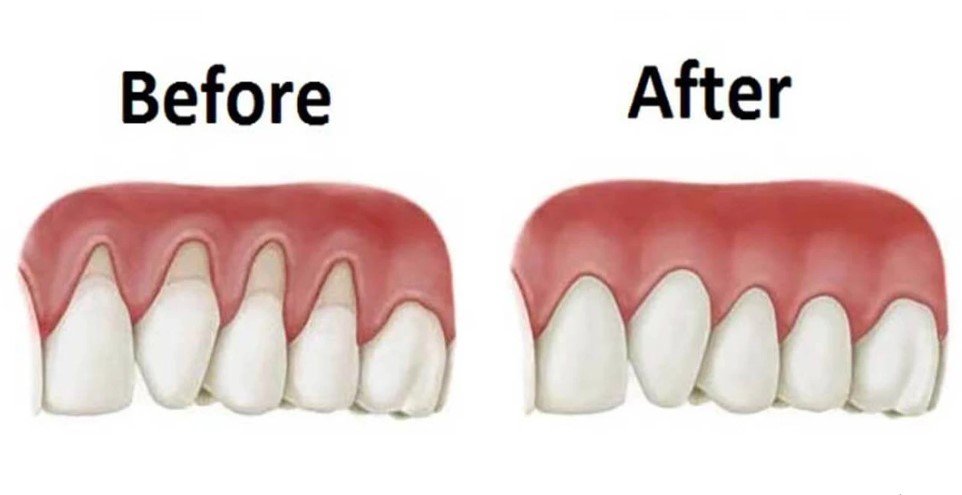
- Gum Recession: When gums pull away from the teeth, the roots become exposed, making teeth appear longer.
- Pus Between Teeth and Gums: Advanced infections may produce pus around the gumline.
- Loose Teeth: As the infection damages bone support, teeth may shift or feel unstable.
These symptoms should never be ignored because untreated gum disease can eventually lead to tooth loss. Cleveland Clinic
How Pyorrhea Gum Disease Develops?
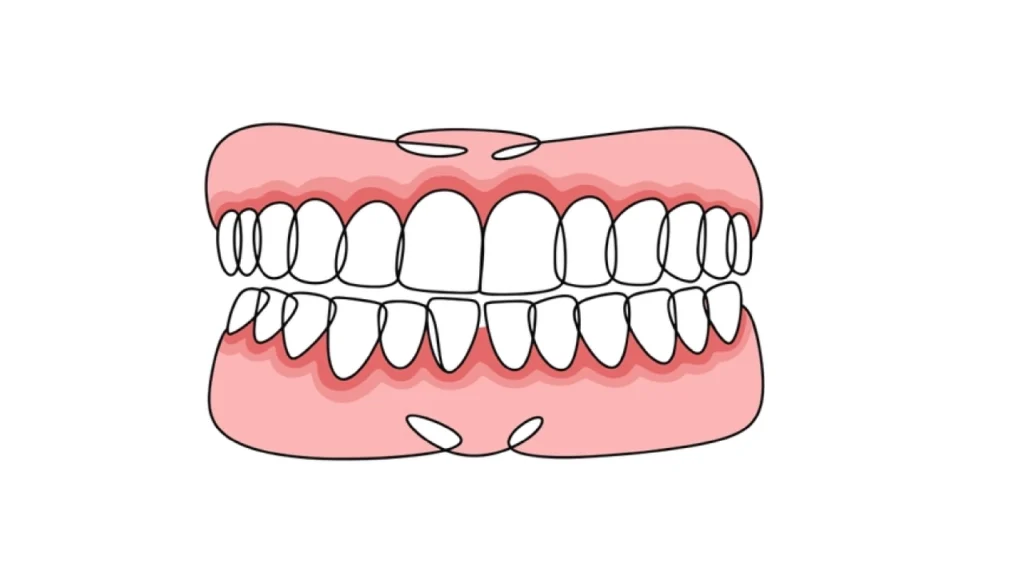
Gum disease typically develops in stages. Understanding this progression can help you identify the condition early.
Stage 1: Plaque Accumulation
After eating, bacteria mix with food particles and saliva to form plaque.
If plaque is not removed regularly, it hardens into tartar that sticks to teeth and gums.
Stage 2: Gingivitis
This is the earliest stage of gum disease.
Symptoms include:
- Bleeding gums
- Mild swelling
- Gum redness
At this stage, the condition is still reversible with good oral hygiene.
Stage 3: Periodontitis
If gingivitis is left untreated, bacteria begin invading deeper tissues around the teeth. Mayo Clinic
Small pockets form between the teeth and gums, trapping bacteria and worsening the infection.
Stage 4: Pyorrhea
At this advanced stage:
- Gum tissue deteriorates
- Bone supporting teeth weakens
- Teeth may loosen or fall out
Preventing progression to this stage is crucial for long-term oral health.
Major Causes of Pyorrhea Gum Disease
Several factors increase the risk of developing gum infections. Understanding these causes can help you protect your gums.
Poor Oral Hygiene
Inadequate brushing and flossing allow plaque and bacteria to accumulate along the gumline.
Over time, this leads to inflammation and infection.
Smoking and Tobacco Use
Smoking weakens the immune system and reduces blood flow to the gums.
This makes it harder for the body to fight bacterial infections.
Poor Diet
A diet lacking essential nutrients — especially vitamin C and antioxidants — can weaken gum tissue and make it more vulnerable to infection.
Teeth Grinding (Bruxism)
Grinding your teeth places pressure on the gums and supporting bone, increasing the risk of gum damage. NIH
Hormonal Changes
Hormonal fluctuations during pregnancy, menstruation, or menopause can increase gum sensitivity and inflammation.

Chronic Illness
Certain medical conditions can increase the risk of gum disease, including:
- Diabetes
- Immune disorders
- Cardiovascular disease
These conditions may affect the body’s ability to fight infection.
Why Pyorrhea Is More Dangerous Than Most People Think?
Many people believe gum disease only affects their teeth. However, research suggests advanced gum infections can affect overall health. NCBI
Bacteria from infected gums may enter the bloodstream and contribute to systemic inflammation.
Studies have linked periodontal disease to:
- Heart disease
- Diabetes complications
- Respiratory infections
Taking care of your gums isn’t just about your smile — it’s also about protecting your overall health.
Natural Ways to Support Gum Health
While dental treatment may be necessary for advanced gum disease, daily habits play a major role in maintaining healthy gums.
Simple changes can dramatically improve oral health.
Helpful habits include:
- Brushing twice daily with a soft toothbrush
- Flossing to remove plaque between teeth
- Drinking plenty of water
- Reducing sugary foods
- Eating anti-inflammatory foods
Consistency is key when it comes to gum care.
Nutrients That Strengthen Gum Tissue
Your gums need proper nutrition to remain strong and resilient.
Key nutrients include:
Vitamin C
Vitamin C helps produce collagen, which supports the structure of gum tissue.
Calcium
Calcium strengthens teeth and the bone that holds them in place. CDC
Omega-3 Fatty Acids
Omega-3 fats help reduce inflammation throughout the body, including the gums.
Foods rich in these nutrients include leafy greens, citrus fruits, nuts, seeds, fish, and dairy products.

Herbal Oral Care for Gum Disease
Many people are turning toward herbal oral care products as a natural complement to traditional dental hygiene.
Plant-based formulas are designed to help support gum tissue and maintain a healthier oral microbiome.
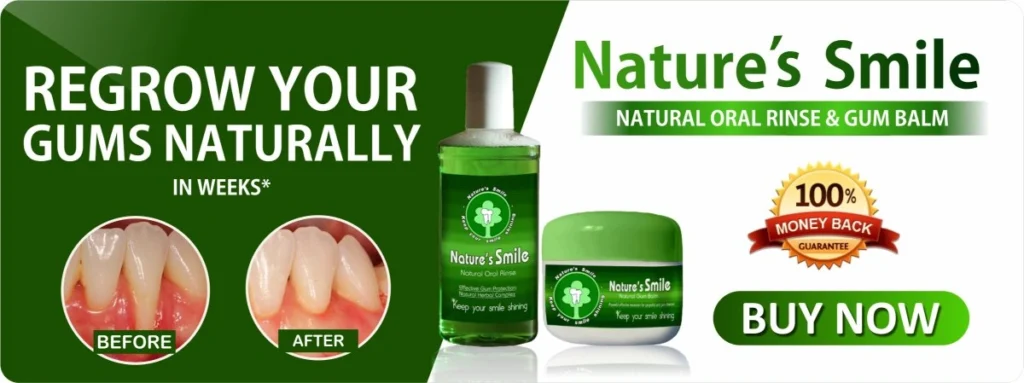
One such product gaining attention is Nature’s Smile, an herbal oral care formula developed to help support gum health.
What Is Nature’s Smile?
Nature’s Smile is a herbal gum balm designed to support oral health and fight bacteria responsible for gum disease.
The formula has been developed with natural plant extracts and has reportedly been produced in Sweden for decades. NIDCR
Unlike conventional oral products that rely heavily on synthetic chemicals, Nature’s Smile uses botanical ingredients traditionally associated with gum care.
These ingredients help support gum tissue, reduce harmful bacteria, and maintain a healthier oral environment.

Key Ingredients in Nature’s Smile
Nature’s Smile contains several herbal extracts known for their oral health benefits.
Oak Bark Extract
Oak bark contains natural tannins that help tighten gum tissue and protect against bacterial invasion.
Silver Fir Extract
Silver fir has antiseptic properties that may help reduce gum inflammation and bacteria.
Yarrow
Yarrow has been traditionally used to support wound healing and help reduce bleeding gums.
Nettle Extract
Nettle may help reduce oral bleeding and support gum tissue health.
Chamomile
Chamomile is widely known for its soothing and anti-inflammatory properties.
Together, these plant extracts work to support gum health naturally.
How Nature’s Smile Works for Gum Health?
According to the product’s official information, the herbal ingredients penetrate the gum line and help fight bacteria that attack the tissues supporting the teeth. ADA
The formula is designed to:
- Help reduce harmful oral bacteria
- Support healthier gum tissue
- Help reduce gum bleeding
- Promote fresher breath
- Support gum healing
Because gum disease is largely driven by bacteria, maintaining a balanced oral environment is key to preventing its progression.
Nature’s Smile is often used alongside regular brushing, flossing, and dental checkups as part of a comprehensive oral care routine.
Daily Habits That Help Prevent Pyorrhea
Preventing gum disease often comes down to small, consistent habits.
Here are some simple steps that can help:
- Use a soft-bristle toothbrush
- Brush for at least two minutes
- Floss daily
- Avoid smoking
- Eat nutrient-rich foods
- Schedule regular dental checkups
These habits significantly reduce the risk of bacterial buildup and gum infection.
When You Should See a Dentist?
Natural oral care can support gum health, but professional care is important if symptoms worsen.
You should see a dentist if you notice:
- Persistent bleeding gums
- Loose teeth
- Gum recession
- Pus around the gums
- Severe gum pain
Early treatment can prevent permanent damage to the gums and bone.
Final Thoughts: Protect Your Smile Before Pyorrhea Progresses
Pyorrhea gum disease is one of the leading causes of tooth loss in adults. But the condition rarely appears overnight.
It usually begins with small warning signs — bleeding gums, bad breath, or gum sensitivity — that many people overlook.
By recognizing these symptoms early and supporting your gums with proper hygiene, nutrition, and herbal oral care solutions, you can help maintain strong and healthy gums for years to come.
Take Action for Healthier Gums Today
If you’re noticing early signs of gum problems or want to support your gum health naturally, improving your oral care routine is a great place to start.