Natural Remedies for Teeth Whitening That Work Safely at Home

Natural remedies for teeth whitening can remove some surface stains, support oral hygiene, and help you keep a brighter smile. Natural remedies do not change the deep internal color of teeth the way Professional whitening or other dental treatment can. The safe goal is simple: clean the tooth surface, protect tooth enamel, lower stain buildup from coffee, tea, wine, and tobacco, and build habits that keep teeth looking cleaner over time.
That is why the best natural teeth whitening plan starts with daily care at your Bathroom Sink, then moves to smart food choices, then avoids risky DIY solutions that can harm enamel. Some methods, such as baking soda in the right product, help with removing surface stains. Other trends, such as activated charcoal, apple cider vinegar, and random social media tricks with banana peels, get far more attention than results. A healthy, clean mouth usually looks whiter than a damaged mouth.
Table of Contents
What Causes Teeth to Look Yellow or Stained?
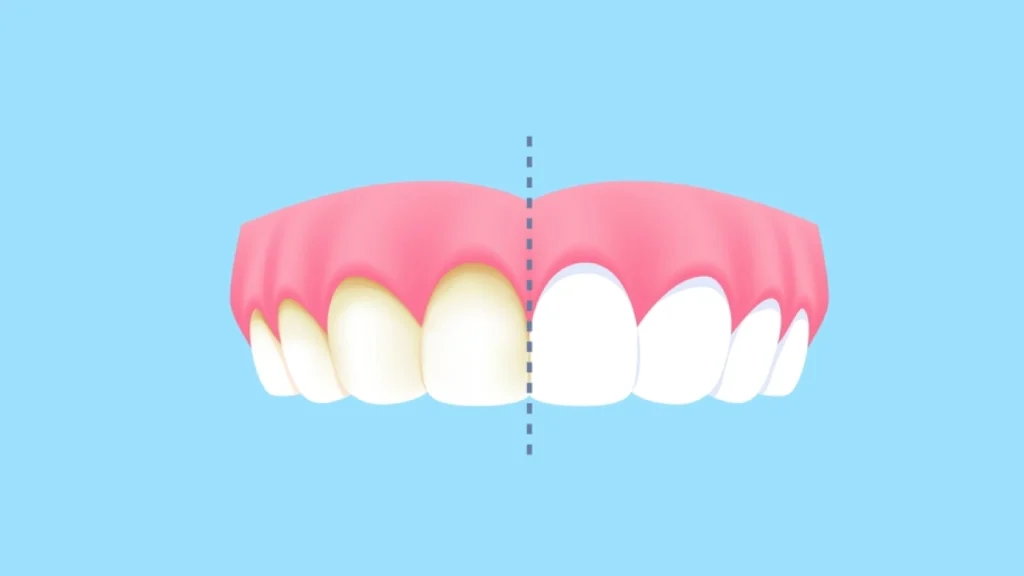
Teeth look yellow or stained for two main reasons. The first reason is surface stains on the outer layer of the tooth. The second reason is changes inside the tooth itself. Natural remedies for teeth whitening mostly help with surface stains. Natural remedies do not fix deep discoloration caused by age, trauma, medication, or internal changes in tooth structure. ADA
Daily habits cause many stains. Coffee, tea, red wine, dark sauces, and tobacco leave color on the tooth surface. Poor oral hygiene lets plaque and bacteria stay on teeth longer, which makes stains stick more easily. Acidic foods and drinks can weaken enamel over time. When enamel gets thinner, the yellow dentin under the enamel shows more clearly.
This point matters. Many people want fast results, but the cause of the stain decides the result. If a person has light surface staining, gentle home care can help. If a person has deep discoloration, a dentist or dental provider may need to step in with professional dental care.
Naturally Brighter Smiles Start at Your Bathroom Sink
The safest place to start is basic care. Brush twice a day, floss once a day, and rinse with water after meals and drinks that stain teeth. This routine removes plaque, lowers acid contact, and reduces new staining before it sets. NIDCR
Use fluoride toothpaste with whitening ingredients, if your teeth tolerate it. The American Dental Association (ADA) supports oral care products that are safe and tested. A toothpaste with fluoride helps protect enamel while mild polishing agents help with stain removal. That matters more than internet hacks. A fluoride product cleans teeth and supports dental health. A random homemade paste may scrub stains but leave enamel weaker.
A toothbrush and good brushing technique do more than most people think. Many people chase fancy hacks and ignore the basics. That is backward. The best natural whitening remedies begin with consistent brushing, flossing, and rinsing. That is the foundation of safe teeth whitening and long-term oral health.
Some Food in Your Fridge Can Whiten Teeth Naturally
Some foods support cleaner teeth by increasing saliva, reducing plaque buildup, and gently lifting fresh debris from the surface. These foods do not bleach teeth. These foods support a cleaner mouth and a brighter look. AAP
Apples
Apples help clean teeth through crunch and moisture. Apples stimulate saliva, and saliva helps wash away food particles and some stain-causing material. Fiber in apples adds gentle friction on the tooth surface. Apples are useful for maintenance, not dramatic whitening.
Strawberries
Strawberries contain malic acid, which is one reason people talk about strawberry teeth whitening and strawberry paste application. The truth is less exciting. Strawberries may help loosen minor stains, but the effect is small. Strawberries still contain sugar, so the mouth needs water or brushing afterward. A mashed strawberry paste is not a strong natural teeth brightener, and aggressive rubbing can irritate enamel.
Onions
Raw onions do not whiten teeth in the way people hope, yet onions may help reduce plaque buildup. Sulfur compounds in onions can make it harder for some bacteria to thrive. Less plaque means fewer places for stains to hold on. The downside is obvious. Onions can hurt breath, so onion use is about oral cleanliness, not cosmetic speed. CDC
Nuts and Seeds
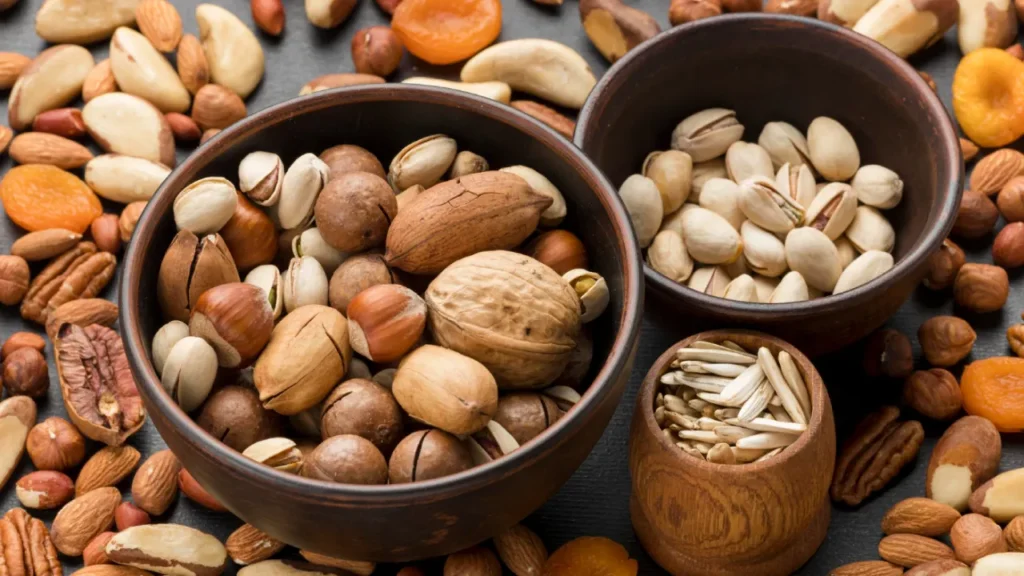
Nuts and Seeds offer light natural abrasion. Chewing almonds, walnuts, sunflower seeds, or sesame seeds can help scrub away loose debris. This effect is mild. People with cracked teeth, weak dental work, or gum problems should be careful. Hard foods can create a new problem while trying to solve an old one.
Broccoli, Celery, and Carrots
Raw Broccoli, Celery, and Carrots work well as Natural Tooth Cleaners. Their crunch helps clear the tooth surface. Their water and fiber increase saliva flow. Broccoli offers calcium and iron, which support stronger teeth. Celery and carrots help the mouth clear food particles after meals. These vegetables support a cleaner smile and better oral hygiene.
Cheese and Yogurt
Cheese and Yogurt help in a different way. These foods support the mouth with calcium, protein, and a less acidic environment. Cheese can help raise mouth pH after a meal. Yogurt can support good oral balance when it is low in added sugar. These foods do not bleach teeth, but they help protect tooth enamel, and protected enamel looks brighter. NCBI
Cautions About Charcoal, Oil, and Vinegar
This is where people make bad choices. Online social media influencers often push harsh remedies with dramatic claims. The problem is simple. A method can look natural and still damage teeth.
Activated charcoal gets attention because black powder on white teeth looks convincing in videos. That does not make it safe. Activated charcoal brushing can be too abrasive, especially with repeated use. Abrasion wears enamel down. Enamel does not grow back. Once enamel thins, teeth can look more yellow and feel more sensitive.
Oil pulling with coconut oil is another trend. People swish oil for 10 to 20 minutes and expect a whitening effect. Oil pulling may help lower some bacteria and improve breath, but Oil pulling does not bleach teeth. At best, coconut oil pulling may support mouth cleanliness. That is not the same as whitening.
Apple cider vinegar is worse. Apple cider vinegar is acidic. Acid softens enamel. Softened enamel is easier to damage and stain. The same problem applies to lemon juice, white vinegar, and many acid-heavy DIY solutions. People chase fast whitening and end up trading color for enamel loss. That is a stupid trade.
Do Natural Teeth Whitening Remedies Really Work?
Yes, some natural teeth whitening remedies work a little on surface stains. No, natural remedies do not deliver the same result as professional dental care. That is the honest answer.
Natural methods can help keep teeth cleaner, reduce new stains, and create a slightly brighter look. Natural methods do not change deep discoloration. Natural methods do not rebuild lost enamel. Natural methods do not replace a cleaning from Dentists or a safe whitening plan from a dental provider.
The problem is inflated expectations. Many people see one viral post and expect movie-star results from kitchen items. That is nonsense. Safe natural whitening remedies can support a healthy smile. Safe natural care is maintenance, not magic. Cleveland Clinic
The Science of Tooth Color
Tooth color depends on enamel thickness, surface cleanliness, internal tooth structure, age, and stain exposure. A clean tooth with healthy enamel reflects light better, so the tooth looks brighter. A stained surface or worn enamel changes that appearance.
This is why removing surface stains matters. Coffee, tea, red wine, and tobacco leave pigments on teeth. Plaque holds these pigments. Good oral hygiene lowers plaque, helps protect enamel, and supports a cleaner look. Deep stains behave differently. Deep stains sit below the surface, so a food-based or abrasive remedy cannot fix them well.

Oil Pulling
Oil pulling gets framed as a whitening cure, yet the evidence does not support strong whitening results. Swishing coconut oil may reduce some bacteria and leave the mouth feeling cleaner. A cleaner mouth can look fresher. That does not mean the teeth became truly whiter. If a person likes Oil pulling and has no side effects, use it as an extra hygiene step, not as a whitening plan.
Charcoal
Activated charcoal is one of the weakest trends with one of the loudest followings. It can scratch enamel and irritate gums. Charcoal may remove a small amount of debris, but repeated use can do more harm than good. Some products sold as natural look polished and safe, yet the label does not erase the risk. The internet made activated charcoal popular. Research has not made it impressive. Cleveland Clinic+1
Baking Soda
Baking soda is the one remedy with the strongest case for limited benefit. Baking soda has mild abrasiveness, and mild abrasiveness helps with removing surface stains. That is why many toothpastes use it. The smart move is to use baking soda inside a tested toothpaste, not as a rough homemade scrub. Used properly, baking soda whitening can help with light stain removal. Used too often or too aggressively, baking soda can still wear the surface down.
Apple Cider Vinegar
Apple cider vinegar does not belong in a safe whitening routine. The acid can erode enamel, raise sensitivity, and create long-term damage. The same logic applies to strong lemon juice whitening tricks and similar acid methods. A product or food that etches enamel is not a good homemade teeth whitener. It is just acid.
Natural Tooth Cleaners That Actually Work
The best Natural Tooth Cleaners are the boring ones people ignore. A soft toothbrush, fluoride toothpaste, floss, and water do more for a bright smile than most trendy hacks. Crunchy foods such as apples, celery, and carrots help support that cleaning effect during the day. Sugar-free gum can stimulate saliva after meals, which helps clear acids and food particles.
A good routine looks like this. Brush well. Floss well. Rinse after stain-heavy drinks. Choose foods that support saliva and enamel. Limit habits that create stains. This approach sounds basic because it is basic. Basic works.
The Role of Diet
Diet shapes tooth color every day. Coffee, tea, wine, especially red wine, and tobacco create frequent staining. Acidic drinks can soften enamel. Sugary foods feed bacteria, and bacteria help plaque build up. Plaque makes staining worse.

Food can help or hurt. Calcium supports stronger teeth. Fiber helps increase saliva through chewing. Water helps rinse the mouth. Cheese, yogurt, apples, celery, and carrots support the mouth better than sticky sweets and dark acidic drinks. A person who wants safe teeth whitening but drinks coffee all day and smokes is fighting a losing battle.
The Best Natural Strategy for Whiter Teeth
The best natural strategy is prevention plus gentle cleaning. That is the answer.
Brush with fluoride toothpaste twice a day. Floss daily. Rinse with water after coffee, tea, and wine. Eat foods that support saliva and enamel. Use baking soda only in a safe product or only with restraint. Skip harsh DIY solutions such as straight vinegar, rough charcoal powders, and random fruit peel rubbing. That includes weak trends with banana peels, orange peel polishing, and other internet tricks that sound clever but lack strong proof.
Advice from dental professionals, organizations such as the ADA, and educational resources like mypenndentist.org points in the same direction. Gentle daily care wins. A clinic in Vabeach saying the same thing does not make it less true. Hype gets views. Good hygiene gets results.
When to Seek Professional Help?
See a dentist, if natural remedies cause pain, gum irritation, or sensitive teeth. See a dentist, if teeth look dark from the inside, if one tooth changed color after trauma, or if weeks of safe home care changed nothing. These signs point to a problem that natural care cannot solve.
A person with cavities, gum disease, worn enamel, or exposed roots should not experiment with strong home methods. Whitening on an unhealthy mouth is a bad idea. Fix the dental problem first.
Understanding Professional Options
Professional whitening works better for moderate and heavy stains. A dentist can check enamel, gum health, fillings, crowns, and the real cause of discoloration before treatment starts. That matters because not every yellow tooth needs the same answer. Some teeth need a cleaning. Some teeth need whitening trays. Some teeth need other dental treatment.
Professional care gives more predictable results and better safety. That is why professional dental care outperforms home hacks. A dentist is not just selling a service. A dentist is checking whether the tooth can handle the treatment.
Making Smart Whitening Choices
Smart Whitening Choices protect enamel first. A whiter smile matters less than a healthy mouth. Use methods that clean without damaging. Choose natural whitening remedies that support hygiene, saliva, and enamel protection. Be skeptical of people, products, and posts that promise dramatic results from one ingredient.
Natural remedies for teeth whitening can help with light stain control, daily freshness, and a cleaner look. Natural remedies for teeth whitening do not replace skill, evidence, or professional dental care. The safest rule is clear: protect tooth enamel, reduce stain exposure, and use proven habits every day.

Do Not Ignore Gum Health While Whitening
Even if your teeth are cleaner and brighter, your smile may still not look healthy if your gums are inflamed, irritated, or receding. Gum health plays a major role in the overall appearance of your smile.
That is why your routine should include:
- Gentle brushing
- Daily flossing
- Regular dental checkups
- Avoiding overly harsh whitening methods
Some people also add a gum-support product to their routine. Nature’s Smile is often used as a herbal gum-care product by people who want extra support for healthier-looking gums and fresher breath. It is not a teeth whitening product, and it should not replace brushing, flossing, or professional dental care, but some people include it as part of a broader oral care routine while working on the overall appearance of their smile.
Conclusion
Natural remedies for teeth whitening can help remove surface stains, support oral hygiene, and maintain a brighter smile when the approach is gentle and realistic. The best path starts at the Bathroom Sink with brushing, flossing, fluoride toothpaste, and water, then continues with smart food choices such as apples, celery, carrots, cheese, and yogurt.
The methods worth keeping are the simple ones. The methods worth doubting are the harsh ones. Baking soda has limited value when used properly. Oil pulling with coconut oil may support cleanliness but does not truly whiten. Activated charcoal and apple cider vinegar carry real risk. A healthy mouth will always beat a damaged mouth that looks slightly whiter for a week.So make smart whitening choices. Protect enamel. Cut back on coffee, tea, wine, and tobacco. Use safe daily habits. See a dental provider when home care cannot solve the problem. That is the most effective natural strategy for clean-looking teeth and lasting dental health.