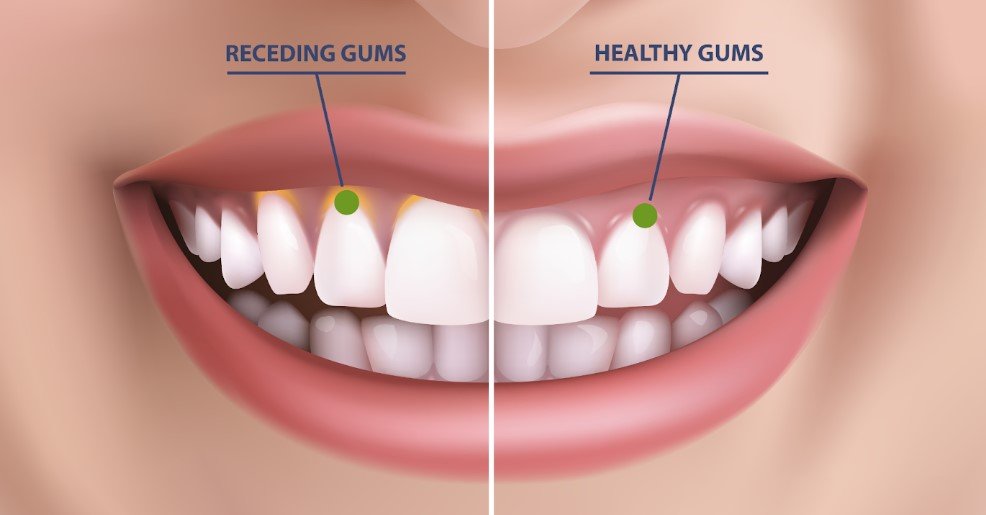
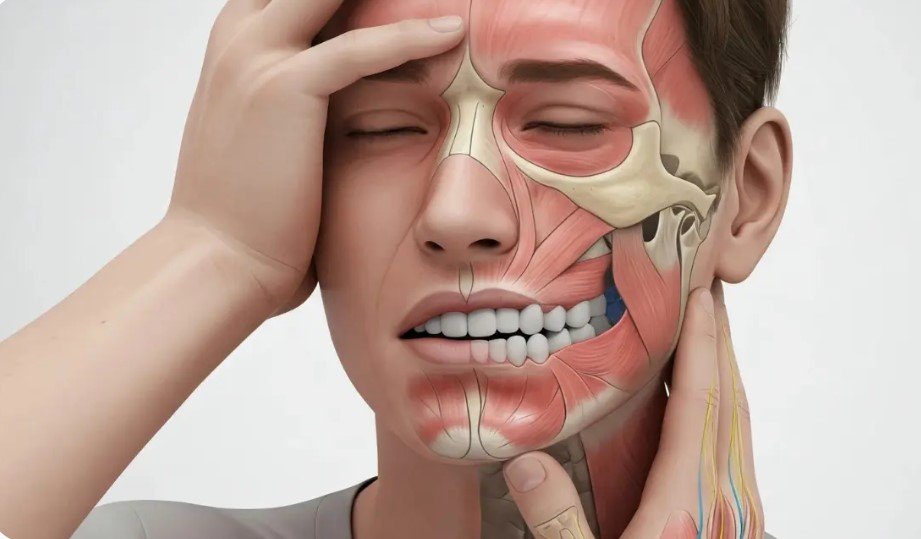
Gum Disease From Dipping: How Smokeless Tobacco Harms Your Gums
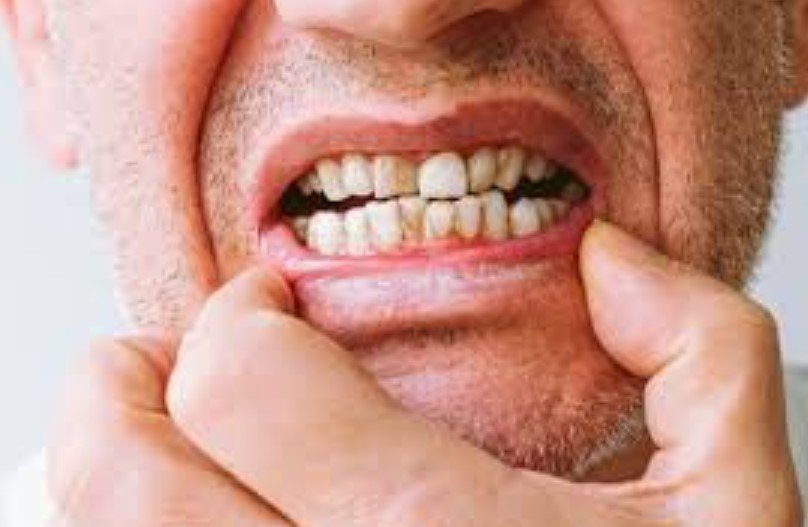
Many people assume dipping is safer for the mouth than smoking. It is not. Smokeless tobacco products such as dip, chewing tobacco, and snuff can seriously harm oral tissues and raise the risk of gum disease, gum recession, bone loss around teeth, and tooth loss. Mayo Clinic specifically lists gum disease, receding gums, bone loss around roots, and tooth loss among the dental problems linked to smokeless tobacco. The CDC also states that tobacco use in any form, including smokeless tobacco, raises the risk for periodontal disease. (Mayo Clinic)
That makes gum disease from dipping a very real concern, not just a cosmetic issue. If you regularly place tobacco in the same area of your mouth, the gums and nearby tissues are exposed again and again to nicotine, irritants, and other chemicals. Over time, that repeated contact can damage the gums directly and make it easier for periodontal problems to develop. Research reviews have linked smokeless tobacco use with a higher prevalence of gingival recession and harmful effects on periodontal tissues.
Table of Contents
What Is Gum Disease?
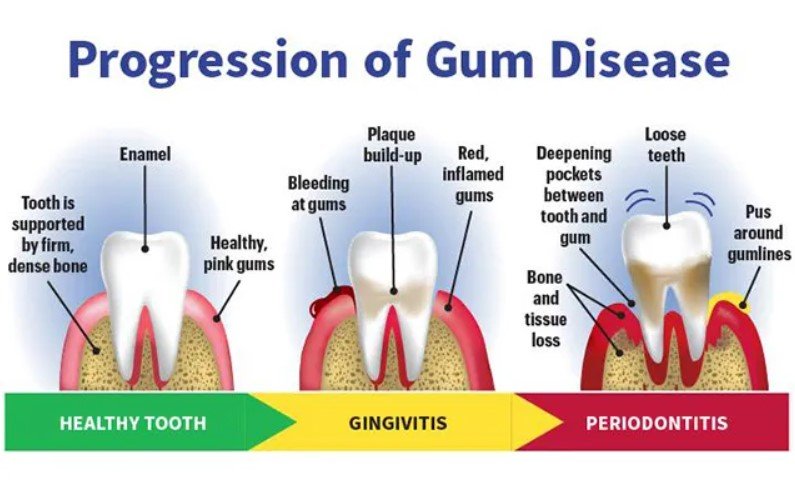
Gum disease, also called periodontal disease, is inflammation or infection of the tissues that support your teeth. The CDC describes it as a broad term for conditions involving inflammation and infection of the gums and bone around the teeth. The earliest stage is gingivitis, which mainly involves inflamed gums. If the problem progresses, it can become periodontitis, a more serious condition that can damage bone and supporting tissues. (CDC)
Gum disease often starts with plaque and bacteria around the teeth and gumline. If plaque stays in place too long, it can harden into tartar and keep irritating the gums. Deeper pockets around teeth and bone loss can appear as gum disease becomes more advanced.
Can Dipping Cause Gum Disease?
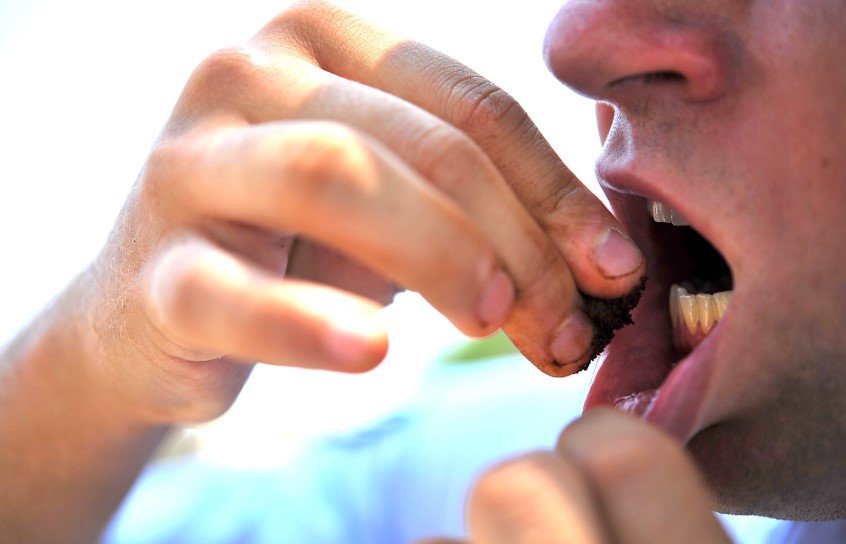
Yes. Dipping can contribute to gum disease and can also cause other gum damage that increases oral health problems over time. Tobacco exposure is harmful to oral tissues, and authoritative sources do not limit that warning to cigarettes. Tobacco use in any form raises the risk of periodontal disease. Mayo Clinic likewise advises people with periodontitis not to smoke or chew tobacco, showing that smokeless products are a meaningful risk factor for gum problems. (CDC)
There are two major ways dipping harms the gums. First, the product sits directly against the gum tissue, which can irritate and injure the area where it is placed. Second, tobacco use is associated with periodontal disease more broadly, increasing the chance of inflammation, gum breakdown, and tooth-support problems. Reviews of smokeless tobacco use have reported associations with gingival recession and poorer periodontal health. (PMC)
Why Dipping Is So Hard on the Gums
Direct contact with the gum tissue
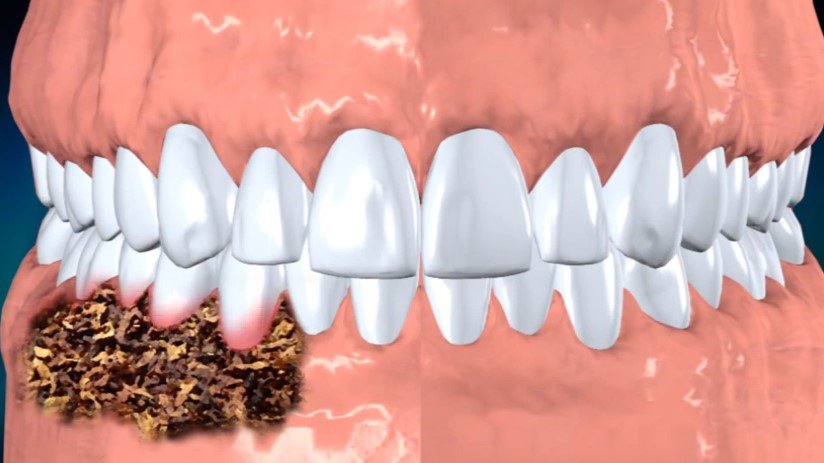
Unlike smoking, dipping puts tobacco in direct contact with the gums for extended periods. The same patch of tissue may be exposed repeatedly for months or years. This local contact is one reason users often develop gum recession or other damage exactly where the tobacco is held. Research on smokeless tobacco has found a higher prevalence of gingival recession, especially at the placement site.
Nicotine and tissue damage
Nicotine is not harmless to the mouth. Tobacco chemicals can irritate oral tissues, contribute to inflammation, and affect the normal healing response. Tobacco-related chemicals can damage tissues and make the mouth more vulnerable to infection. Gum disease and bone loss among smokeless tobacco’s oral health effects.
Increased plaque and periodontal risk
Dipping does not clean your mouth. It adds a risk factor to a mouth that still has to deal with plaque and bacteria every day. If oral hygiene is poor, the combination can be worse. Tobacco use is associated with periodontal disease, and smokeless tobacco plus poor oral hygiene can have a cumulative negative effect on oral health.
Common Gum Problems Caused by Dipping
Gum recession
One of the most recognized oral effects of dipping is receding gums. Recession means the gumline pulls back and exposes more of the tooth or root. That can lead to sensitivity, a longer-looking tooth, and greater risk of root damage.
Gingivitis
If the gums become irritated, red, swollen, or bleed easily, gingivitis may be developing. Gingivitis is the early stage of gum disease and can often improve with better oral hygiene and professional care. But when tobacco exposure continues, it becomes harder to keep gums healthy. The CDC and Mayo Clinic both describe gum disease as starting with gum inflammation before it becomes more serious. (CDC)
Periodontitis and bone loss
More advanced periodontal disease can affect the bone that supports the teeth. This is one reason gum disease is not just about bleeding gums. Bone loss around tooth roots and tooth loss among the possible dental outcomes of smokeless tobacco use.
Tooth sensitivity and root exposure
As recession worsens, exposed roots can become sensitive to cold drinks, sweets, and brushing. Root surfaces are more vulnerable than enamel-covered parts of the tooth, so gum damage can quickly turn into a comfort and function problem. This often starts as a “minor” issue and becomes much more noticeable later.
Bad breath and mouth irritation
Smokeless tobacco can also contribute to bad breath and general irritation in the mouth. Some users notice soreness or rough changes in the tissue where the dip is held. Reviews on tobacco and oral health also link tobacco use to oral mucosal lesions and broader oral disease risk.
Signs You May Have Gum Disease From Dipping
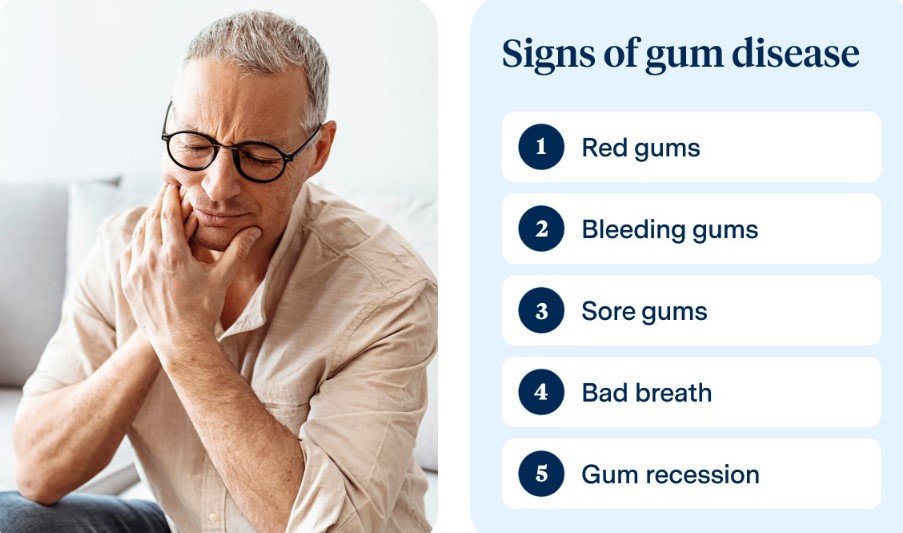
It is easy to ignore early warning signs because they do not always seem severe at first. But these symptoms deserve attention:
Bleeding gums
Bleeding during brushing or flossing often points to gum inflammation. Healthy gums do not usually bleed regularly.
Red, swollen, or tender gums
Inflamed gums are a common sign of gingivitis or other irritation. Gingivitis is causing irritation, redness, and swelling of the gums.
Receding gums where the dip sits
If one area of the gumline is pulling back, especially where you place smokeless tobacco, that is a major red flag.
Teeth that feel sensitive or look longer
Exposed roots can make teeth more sensitive and change their appearance.
Bad breath or a bad taste
Ongoing bacterial buildup, gum inflammation, and tobacco use can all contribute to unpleasant mouth odor.
Loose teeth or chewing discomfort
These can be warning signs of more advanced gum disease and should not be ignored. Severe gum disease can affect the structures supporting teeth and may eventually lead to tooth loss.
Is Gum Recession From Dipping Reversible?
Not always. That is one of the biggest problems with dipping-related gum damage. If the gums are only inflamed, the inflammation may improve with cleaning, better oral hygiene, and stopping tobacco use. But gum tissue that has already receded often does not simply grow back on its own. The goal is usually to stop further damage, reduce inflammation, and protect the roots and supporting tissues. In some cases, dental or periodontal procedures may be needed if recession is severe.
This is why early action matters. Waiting until the gums have clearly pulled away from the teeth can leave fewer easy treatment options.
Also Read: Gum Disease Headache: Can Unhealthy Gums Trigger Head Pain?
How Dentists Diagnose Gum Disease From Dipping
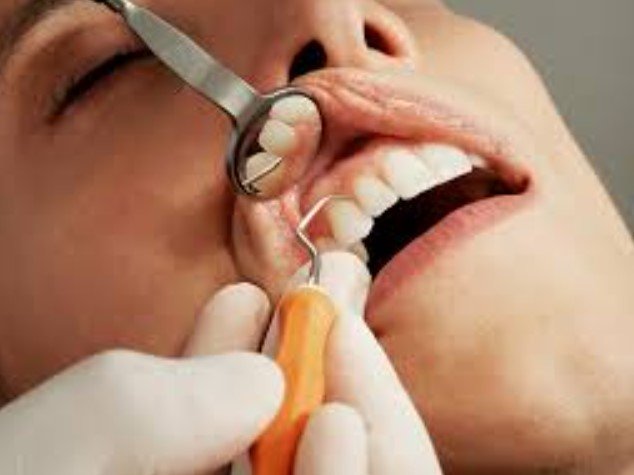
A dentist will usually examine the gums, look for recession and irritation, check plaque and tartar levels, and measure the pocket depth around the teeth.Periodontal assessment may include checking the pocket depth between teeth and gums and using dental X-rays to look for bone loss in areas with deeper pockets.
A dentist may also ask where you place the tobacco. That detail matters because local gum recession often matches the exact placement area. If deeper periodontal disease is suspected, you may be referred to a periodontist for further care. People with more advanced gum disease may be referred to a gum specialist.
Treatment for Gum Disease Caused by Dipping
Stop dipping
This is the most important step. Continuing to place tobacco against damaged gums makes healing harder and increases the chance of more recession or worsening periodontal disease. Mayo Clinic advises people with periodontal disease not to smoke or chew tobacco.
Professional dental cleaning
If plaque and tartar are contributing to the problem, professional cleaning is often the starting point. Mayo Clinic explains that scaling and root planing can remove tartar and bacteria from the teeth and under the gums and help healing.
Better daily oral hygiene
Brushing thoroughly and cleaning between the teeth every day help reduce plaque and support healthier gums. Gingivitis is often preventable and treatable with routine oral hygiene and professional cleanings.
Monitoring recession and bone loss
If the gums have already receded or if there is evidence of bone loss, your dentist may monitor these areas closely and recommend further periodontal treatment if needed.
Tobacco cessation support
Quitting nicotine can be hard, but evidence-based help exists. Mayo Clinic notes that nicotine gum and lozenges are used to help people stop smoking by replacing nicotine and reducing withdrawal symptoms. For tobacco users trying to quit, formal cessation support can be valuable.
Other Oral Health Risks From Dipping
Gum disease is only part of the picture. Smokeless tobacco is also linked to tooth decay, worn tooth surfaces, staining, bad breath, and mouth cancer risk. Mayo Clinic says all forms of tobacco, including chewing tobacco and snuff, increase the risk of mouth cancer, and NIA advises avoiding chewing tobacco and snuff to lower oral cancer risk.
This broader context matters because dipping can seem “manageable” when the first symptom is only a little gum recession. But the habit can affect much more than one small section of gumline.
How to Protect Your Gums if You Currently Dip
The best answer is to quit, but while working toward that goal, protecting your mouth matters too:
Use excellent oral hygiene every day. Brush twice daily and clean between your teeth. Keep regular dental visits so changes in the gums can be spotted early. Tell your dentist that you use dip and where you place it. That helps them examine the highest-risk areas more carefully. And if you notice recession, bleeding, or tenderness, do not wait for it to become painful.
Also remember that some tobacco-related changes can be easy to miss at home. Professional checks are important because gum disease does not always hurt early on.
When to See a Dentist
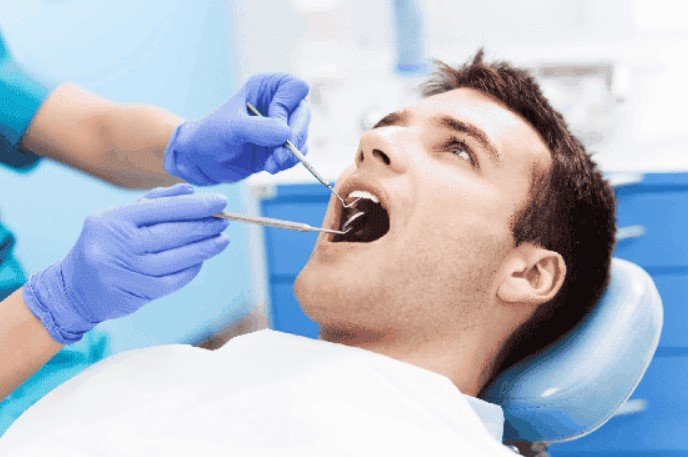
Make an appointment if you have bleeding gums, persistent tenderness, receding gums, a sore or discolored patch where you place dip, tooth sensitivity, chewing discomfort, or loose teeth. These symptoms may point to gum disease, local tissue injury, or another oral health issue that needs attention. CDC and Mayo Clinic sources both make clear that tobacco-related gum problems can become serious and may progress to bone loss or tooth loss if ignored.
It is especially important to get checked if the tissue where you place tobacco looks different for an extended period. Smokeless tobacco has oral health risks beyond periodontal disease, including precancerous or cancerous concerns.
Final Thoughts
Gum disease from dipping is real, common, and preventable. Smokeless tobacco can damage gums directly where it sits and also raise the risk of broader periodontal disease. The results may include gingivitis, receding gums, bone loss, tooth sensitivity, bad breath, and eventually tooth loss. The most important takeaway is simple: if you dip and your gums are changing, do not ignore it. Early dental care can help control inflammation and limit damage, but the best long-term move is to stop using smokeless tobacco and protect your mouth before the problem becomes permanent.