Can Gum Disease Cause Bad Breath? Signs, Causes, and Solutions

Yes, gum disease can cause bad breath. In fact, persistent bad breath is one of the common warning signs of gingivitis and periodontitis, the two main stages of gum disease. When plaque and bacteria build up around the teeth and below the gumline, they can irritate the gums, create infection, and produce unpleasant odors that do not go away with a mint or a quick rinse.
For many people, bad breath is more than a simple hygiene issue. It can be a sign that something deeper is happening in the mouth. If your breath seems unpleasant even after brushing, flossing, or using mouthwash, your gums may be part of the problem. Understanding the connection between gum disease and bad breath can help you catch symptoms early and avoid more serious dental problems later.
Table of Contents
What Is Gum Disease?
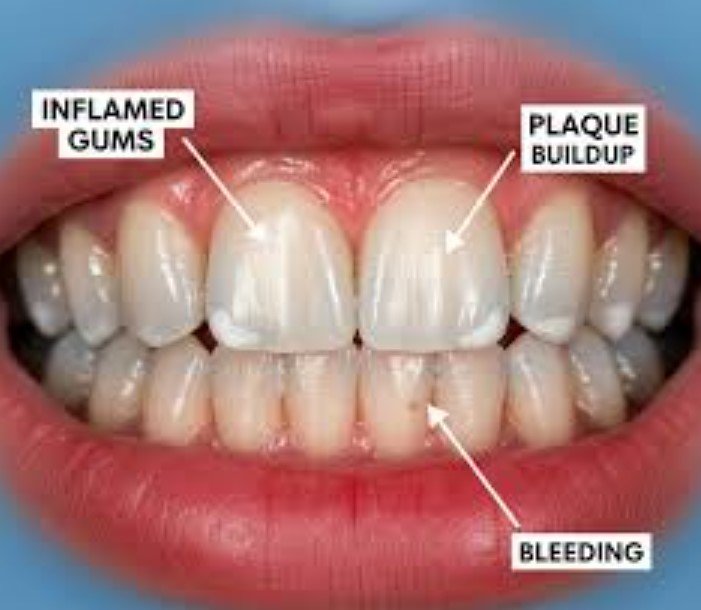
Gum disease is an infection or inflammation of the tissues that support your teeth. It usually starts when plaque, a sticky film of bacteria, builds up on the teeth and along the gumline. If that plaque is not removed well, it can irritate the gums and harden into tartar, which makes the problem harder to control at home. (NIDCR)
The earliest stage is gingivitis. At this point, gums may look red, swollen, or bleed during brushing and flossing. Gingivitis is often reversible with proper dental care and improved oral hygiene. If it is not treated, it can progress to periodontitis, a more serious form of gum disease that can damage the soft tissue and bone supporting the teeth.
Why Gum Disease Causes Bad Breath
Bad breath, also called halitosis, often happens when odor-producing bacteria multiply in the mouth. Gum disease creates an ideal environment for those bacteria. As plaque collects around the gums and below the gumline, bacteria feed on trapped food particles and tissue debris. This process can release foul-smelling compounds and create breath that smells unpleasant or stale. (Mayo Clinic)
The smell may get worse when gum disease advances because infected gum pockets can trap even more bacteria and debris. In periodontitis, deeper spaces can form between the teeth and gums, giving odor-causing bacteria more places to hide. That is one reason bad breath linked to gum disease often does not improve much with chewing gum or mouthwash alone.
Can Gingivitis Cause Bad Breath Too?
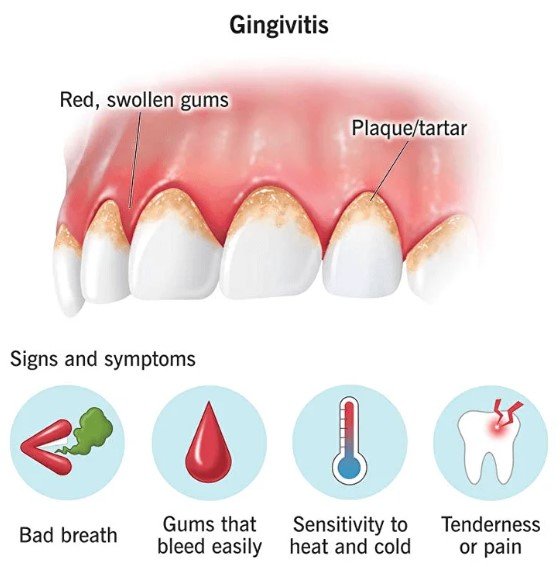
Yes, even early-stage gum disease can cause bad breath. Gingivitis may seem mild compared with periodontitis, but it still involves plaque buildup and gum inflammation. Official health sources list bad breath among the signs people may notice with gingivitis or gum problems.
This matters because many people assume they need severe gum disease before their breath is affected. That is not true. If your gums bleed when you brush and your breath has changed, those two symptoms together are worth taking seriously. Early treatment is much easier than waiting until infection becomes advanced.
Signs Your Bad Breath May Be Coming From Gum Disease
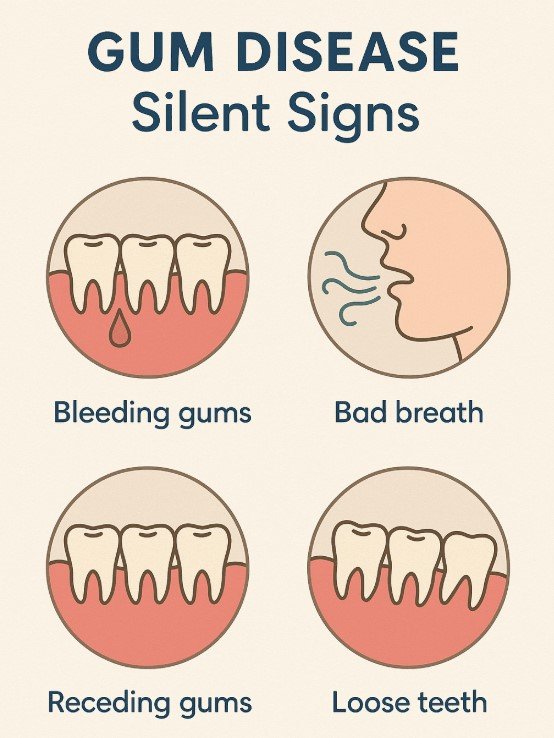
Bad breath can have several causes, including dry mouth, certain foods, smoking, and throat or stomach issues. But when gum disease is involved, you often notice other signs too. The most common ones include:
Bleeding gums
If your gums bleed while brushing, flossing, or eating hard foods, that is a common sign of gum disease. (nhs.uk)
Red or swollen gums
Healthy gums usually look firm and pale pink. Swollen, tender, or darker gums may point to inflammation.
Bad breath that keeps coming back
Bad breath that does not improve with normal brushing may be a clue that bacteria and gum infection are involved.
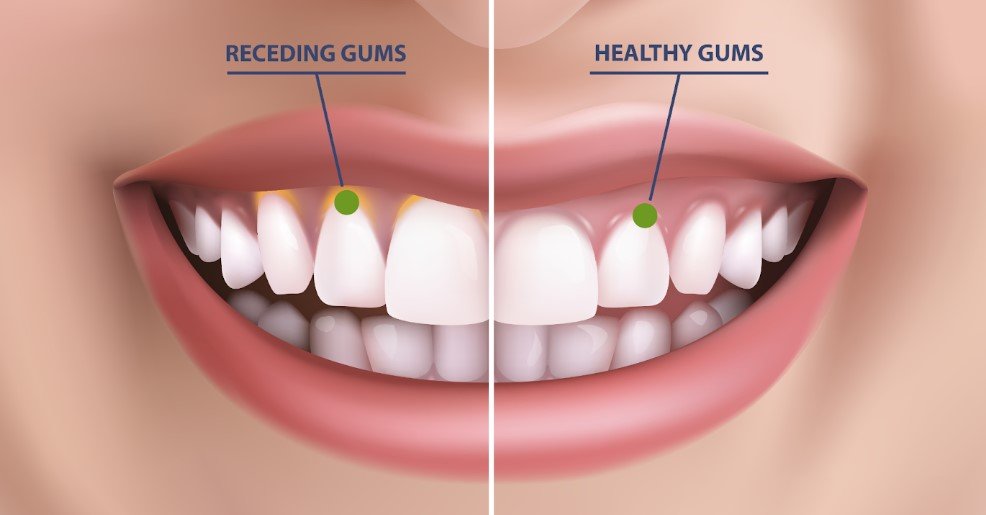
Receding gums
As gum disease progresses, gums may pull away from the teeth, making teeth look longer.
Loose teeth or new spaces between teeth
Advanced periodontitis can affect the bone and tissues supporting teeth, leading to movement or gaps. If you have bad breath along with one or more of these symptoms, it is a good idea to book a dental exam instead of trying to cover the odor temporarily.
What Bad Breath From Gum Disease Smells Like
People describe gum disease breath in different ways. Some call it sour, metallic, rotten, stale, or just unusually strong. The exact smell can vary based on how much plaque is present, whether there are gum pockets, and how advanced the inflammation is. Some dental patient materials also mention a metallic taste alongside bad breath in gum disease.
Even though the smell may differ from person to person, one thing is common: it tends to persist. It is not the same as “morning breath” that fades after brushing. Breath odor tied to gum disease often returns quickly because the underlying bacterial buildup is still there.
Other Causes of Bad Breath You Should Know
Not every case of halitosis is caused by gum disease. Health sources also list several other possible causes, including:
- Poor oral hygiene and plaque buildup on teeth and tongue.
- Tooth decay, mouth infections, or sores.
- Dry mouth, which reduces saliva and allows odor to build up more easily. (NIDCR)
- Smoking.
- Certain medical conditions outside the mouth.
This is why persistent bad breath should not be self-diagnosed too quickly. A dentist can help figure out whether the cause is gum-related, tooth-related, or something else.
How Dentists Tell if Gum Disease Is Causing Bad Breath

A dentist usually looks at the gums, teeth, plaque levels, and signs of inflammation. They may ask whether your gums bleed, whether your breath problem is constant, and whether you have noticed sensitivity, loose teeth, or gum recession. If periodontitis is suspected, they may measure the pockets around your teeth and evaluate how advanced the disease is. Mayo Clinic notes that diagnosis can include reviewing symptoms, examining the mouth, and measuring pocket depth around the teeth.
This step is important because bad breath often improves only when the true cause is treated. If gum disease is driving the odor, cosmetic fixes alone usually will not solve it.
How to Get Rid of Bad Breath Caused by Gum Disease
The good news is that bad breath from gum disease can often improve a lot once the gum problem is treated properly. The best approach usually includes both professional dental care and consistent home care.
1. Get a professional dental cleaning
If plaque and tartar are the issue, a routine cleaning may help in milder cases. If gum disease is more advanced, your dentist may recommend deeper treatment to clean below the gumline. Removing bacterial buildup is one of the main ways to reduce odor at its source.
2. Brush and clean between teeth daily
Mayo Clinic recommends keeping the mouth and teeth clean regularly to reduce bad breath and lower gum disease risk. That means brushing properly and cleaning between teeth every day.
3. Clean your tongue
The tongue can trap bacteria that produce odors, so brushing or scraping the tongue may help as part of a full oral hygiene routine.
4. Treat ongoing gum inflammation early
Gingivitis has a better chance of reversal when handled early. Waiting too long can allow it to develop into periodontitis, which is more serious and can be harder to manage.
5. Address dry mouth and smoking
If dry mouth or smoking is adding to the odor problem, that also needs attention. Otherwise, breath issues may continue even after plaque is reduced.
Can Mouthwash Fix It?

Mouthwash can help temporarily freshen breath, but it usually does not fix gum disease by itself. If bacteria are living below the gumline or in periodontal pockets, a rinse may only mask the smell for a short time. That is why persistent halitosis should be treated as a signal, not just a nuisance. The goal is to eliminate the cause, not cover it.
Who Is More Likely to Have Gum Disease-Related Bad Breath?
Some people face a higher risk of gum disease and its symptoms. NIDCR notes that people with diabetes have a higher chance of periodontal disease, and periodontal disease can lead to persistent bad breath. (NIDCR)
Risk can also rise with poor oral hygiene, smoking, and conditions that reduce the body’s ability to fight infection. That means bad breath may be one visible clue of a broader oral health issue.
When to See a Dentist

You should make a dental appointment if your bad breath keeps returning or if it comes with bleeding gums, swollen gums, gum pain, receding gums, or loose teeth. NHS guidance specifically advises seeing a dentist if you have bad breath along with gum symptoms. (nhs.uk)
It is especially important not to ignore these symptoms if they have lasted more than a short time. Early care can stop gingivitis from progressing and can reduce the chance of long-term damage to the gums and supporting bone.
Final Thoughts
So, can gum disease cause bad breath? Absolutely. Both gingivitis and periodontitis are linked to persistent bad breath because bacteria, plaque, and infected gum pockets can create odors that do not go away on their own. The encouraging part is that once the cause is identified, treatment and better daily oral care can often make a major difference. If your breath seems off and your gums bleed, swell, or look different than usual, do not just reach for gum or spray. Let a dentist check what is happening. Solving the gum issue is usually the most effective way to solve the breath issue too.
If bad breath is coming from gum disease, covering it up won’t solve the problem — you need to target it at the source.
Instead of relying only on toothpaste or mouthwash, consider a natural solution designed to reach beneath the gumline and support healthier gums from within.
Take the first step toward healthier gums and lasting confidence today.