Order of Oral Care: Best Routine for a Healthier Smile
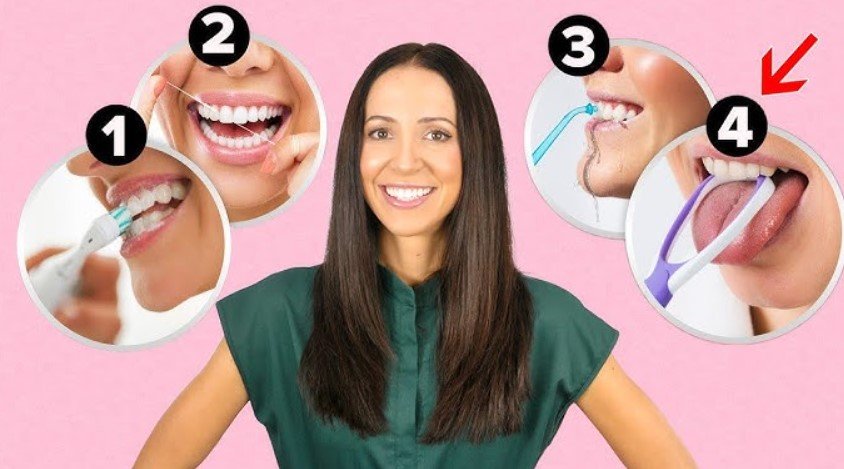
The correct order of oral care is to floss first, use mouthwash if you want extra support, use a water flosser if needed, and brush last with fluoride toothpaste. That order helps with plaque removal, supports healthy gums, and leaves fluoride toothpaste on the teeth where it can help protect enamel. A good oral care routine is not just about cleaning the teeth. A good oral care routine helps control bacteria, freshen breath, lower plaque buildup, and support gingivitis prevention.
The main parts of the order of oral care are simple. You clean between the teeth first, clean the mouth next, use extra interdental cleaning if you need it, and finish by brushing every surface of the teeth and the tongue. This sequence works well for daily oral hygiene in the morning and at night. It is useful for people with braces, implants, crowns, bridges, and other dental work. It is just as useful for people who want better oral health, less plaque, and more stable gum health.
A structured sequence oral care plan helps you get more value from the tools you already own. Whether you use a manual Toothbrush, an electric toothbrush, Crest or Colgate fluoride toothpaste, or an Alcohol-Free Mouthwash, the order matters.
Table of Contents
The Correct Order of Oral Care
The correct order of oral care is floss, optional mouthwash, optional water flosser, then brush. This oral care order works because plaque disruption precedes cleaning. When floss loosens food particles and plaque between the teeth and near the gum line, the rest of the routine becomes more effective.
Mouthwash can reduce bacteria and freshen breath. A water flosser can rinse hard-to-reach spaces. Brushing last spreads fluoride toothpaste across the teeth and leaves a final protective layer on the enamel.
Here is the sequence in a simple format:
| Step | Action | Why it helps |
| 1 | Floss | Removes plaque and debris between teeth and under the gumline |
| 2 | Rinse with mouthwash (optional) | Helps reduce bacteria and freshen breath |
| 3 | Use a water flosser (optional) | Flushes around braces, implants, and other dental work |
| 4 | Brush your teeth | Cleans all surfaces and leaves fluoride on the teeth |
This daily oral care sequence supports optimal oral hygiene. It helps with plaque removal fluoride delivery, gum health, and cavity prevention. The World Health Organization (WHO) and the American Dental Association (ADA) both place daily oral hygiene within preventive healthcare, and this order fits that goal well. A clear dental care sequence gives each product a job and avoids wasting effort.
Flossing First in Your Oral Care Routine
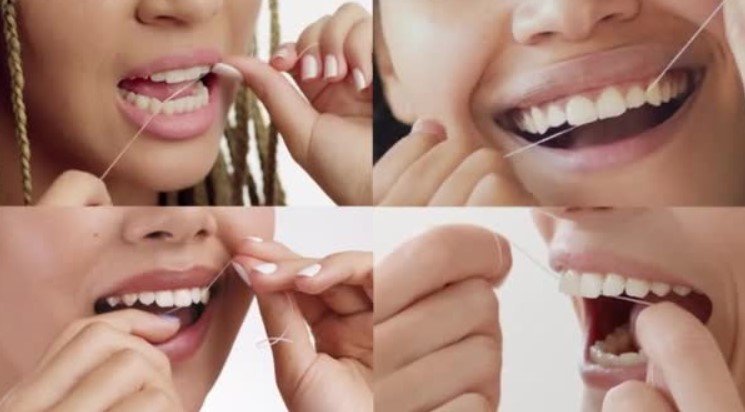
Flossing first gives you a cleaner starting point. Floss before brushing always, since brushing alone cannot reach tight spaces between teeth. Interdental cleaning proactively prevents plaque buildup cavities and gum disease. When you floss first, you remove trapped food and loosen plaque near the gumline. Then brushing can clean those surfaces more fully and help fluoride toothpaste reach deeper areas.
Many people ask whether they should brush then floss. For most daily routines, flossing before brushing is the better answer. Flossing first helps with plaque removal and supports healthy gums. It can lower inflammation near the gums and reduce the chance of bleeding that comes from plaque sitting too long at the gum line. It also helps breath by removing food that would otherwise stay between the teeth.
Flossing first matters even more for people with crowded teeth, gum tenderness, or a history of gum disease. It matters for children, adults, and older adults. It matters for people who wear braces or have implants. Oral hygiene routine success often depends on simple consistency, and flossing is one of the strongest habits in the whole mouth care regimen.
Step 1: Start with Flossing
Use about 18 inches of Floss and wrap most of it around your middle fingers. Leave a short section to guide with your thumbs and forefingers. Slide the floss gently between the teeth. Curve the floss into a C shape around one tooth, move it up and down, and reach slightly below the gum line. Then switch to the next tooth with a fresh section of floss. This method cleans the side of each tooth instead of just snapping between contact points.
Move slowly and keep the pressure gentle. Harsh flossing can irritate the gums. Good flossing lifts plaque from the gumline and helps with gingivitis prevention. If your gums bleed at first, that often means the tissue is inflamed from plaque, not that flossing is wrong. Gentle daily use often improves that problem over time.
If string floss is hard to manage, floss picks can help. Interdental brushes can help too, especially if you have larger spaces, braces, or fixed dental work. The goal stays the same: remove plaque and food where a brush cannot reach.
Proper Technique for Brushing Your Teeth
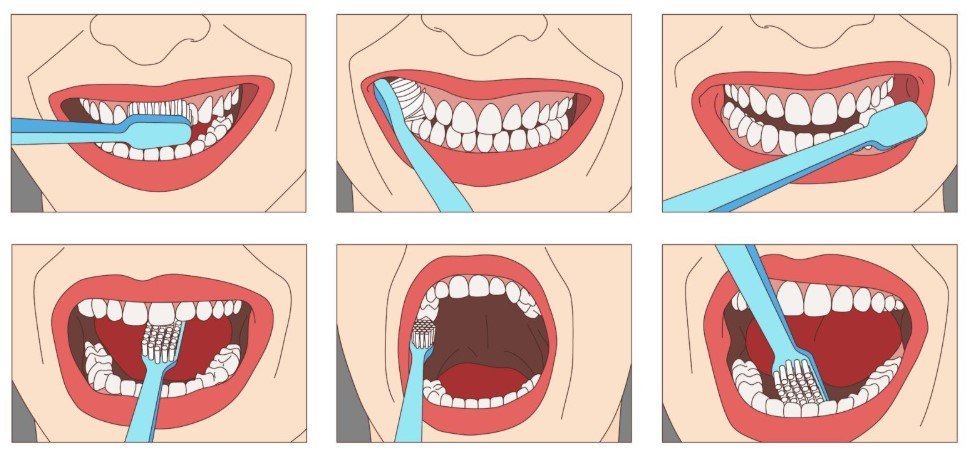
Brushing is the finishing step in the best oral care routine. Brush last so fluoride toothpaste stays on the teeth after the rest of the cleaning is done. That helps prevent tooth decay and protects enamel. Brushing should clean the front, back, and chewing surfaces of the teeth, the gumline, and the Tongue. Tongue scraping boosts freshness, yet a toothbrush can clean the tongue well when a scraper is not available.
A soft bristled toothbrush is the best choice for most people. Soft bristles clean well without wearing down enamel or irritating the gums. Electric toothbrushes can improve plaque removal for many users, especially people who brush too hard or too fast with a manual brush. Brands such as Oral-B and Sonicare are common examples. The brand matters less than the technique and the time spent brushing.
Use Fluoride Toothpaste every time you brush. A pea-sized amount is enough for most adults. Fluoride Toothpaste supports enamel and helps prevent cavities. Products from Colgate-Palmolive, P&G, Crest, and similar companies may differ in flavor or extra features, though the key is the fluoride content and steady use. After brushing, spit out the extra toothpaste. Do not rinse hard with water. A heavy rinse can wash away the fluoride layer too soon.
Step 4: Brush Your Teeth
Hold the Toothbrush at about a 45-degree angle toward the gums. Use short, gentle strokes or small circles. Brush each part of the mouth for about 30 seconds so the full session lasts 2 minutes. Clean the outside, inside, and chewing surfaces of the teeth. Brush along the gum line where plaque collects. Then brush the Tongue to remove bacteria and help breath stay fresh.
Do not scrub hard. Hard brushing does not clean better. Hard brushing can wear enamel, irritate the gums, and lead to recession over time. Focus on coverage instead. Good brushing means every section of the mouth gets attention.
Night brushing matters most. At night, saliva flow drops, and saliva normally helps wash away sugar, acids, and bacteria. When saliva is lower, the teeth and gums lose part of their natural defense. A full nighttime brushing session with fluoride toothpaste gives stronger support against plaque and acid attack while you sleep.
When to Use Mouthwash

Mouthwash is optional, though it can improve an oral care routine when used the right way. In this sequence oral care plan, mouthwash comes after flossing and before brushing. That order helps you lower bacteria and freshen breath before the final brush. It works well for people who want anti-cavity or anti-gingivitis support, or people who want a cleaner feel before brushing.
Choose a mouthwash that matches your goal. For dry mouth or sensitive tissues, an Alcohol-Free Mouthwash is often the better choice. Alcohol can leave the mouth feeling dry, and saliva helps control bacteria and acids. For cavity support, a fluoride rinse may help. For gum care, an anti-gingivitis rinse may work better. Read the label and use the product for the stated purpose.
Mouthwash should support brushing and flossing, not replace them. Mouthwash does not scrub plaque off the teeth. It can reduce bacteria, improve breath, and reach some surfaces liquid can touch, though it cannot replace the physical plaque removal that floss and brushing provide.
Step 2: Rinse with Mouthwash (Optional)
Pour the recommended amount into a cap or cup. Swish for 30 to 60 seconds so the liquid moves around the cheeks, tongue, and teeth. Spit it out fully. Avoid swallowing it. If the product label says to wait before eating or drinking, follow that timing.
Alcohol-Free Mouthwash is a smart option for many people. It can support breath and bacteria control without drying the mouth. A therapeutic rinse can give anti-cavity or anti-gingivitis support. A cosmetic rinse mainly helps breath. Choose the type that matches your needs.
People with frequent bad breath, a higher cavity risk, or mild gum irritation may benefit most. A Dentist can tell you whether a stronger rinse is worth using every day.
Step 3: Use a Water Flosser (Optional)
A Water Flosser is a useful add-on for people with braces, implants, bridges, retainers, or other dental work. A water flosser can reach deeper areas around hardware and below the gumline where food and plaque often collect. It does not always replace string floss, though it can make daily cleaning easier and more complete.
Fill the device with lukewarm water. Aim the tip at the gumline and move tooth by tooth. Start with a low setting if your gums are sensitive. Lean over the sink and keep your lips slightly closed so the water stays under control. Spend about 1 to 2 minutes working around the whole mouth.
Water flossing cleans thoroughly around difficult surfaces. It is helpful for people who struggle with manual flossing. Many people use a Waterpik device, though the brand matters less than steady daily use. This step is optional, yet it can make a clear difference for people with appliances or limited hand movement.
Correct Order of Oral Care for Improving Dental Hygiene
The correct order of oral care improves dental hygiene by combining mechanical cleaning with chemical support. First, floss disrupts plaque and removes trapped debris. Second, mouthwash can reduce bacteria and improve breath. Third, a water flosser can flush around gum pockets, braces, implants, and dental work. Last, brushing spreads fluoride toothpaste over the teeth and helps protect enamel. This process supports better oral health than random product use.
Tongue care belongs in the brushing step. Bacteria on the Tongue can contribute to odor and poor taste. Cleaning the tongue once or twice a day helps the full oral hygiene routine work better. Gum care belongs here too. Brush the gumline gently, floss daily, and watch for swelling, redness, or bleeding. Those are early signs that the gums need better plaque control or a dental check.
Diet affects every part of this process. Sugar feeds bacteria, and acidic foods can weaken enamel. Calcium-rich foods help support teeth. Water helps rinse the mouth. Frequent snacking gives plaque bacteria more chances to make acid. The best oral care habits work better when the diet supports them.
Additional Tips for Optimal Oral Health
Chew Sugar-Free Gum after meals if you cannot brush right away. Sugar-Free Gum with xylitol can support saliva flow, and saliva helps rinse away loose food and acids. A post-meal quick rinse with water works well too. Both habits help between full brushing sessions.
Replace your Toothbrush or electric brush head every 3 months, or sooner if the bristles splay. Worn bristles do not clean the teeth or gumline well. Keep your brush dry between uses. Do not share it.
Visit a Dentist for regular checkups and cleanings. A dental team can spot gum disease, weak enamel, early cavities, poor brushing patterns, and issues around implants or other dental work before those problems get worse. Professional plaque removal reaches areas daily home care may miss.
Choose products that you can use every day. A simple setup works best for most people: floss, fluoride toothpaste, a soft bristled toothbrush, and an Alcohol-Free Mouthwash if needed. Fancy products do not fix poor technique. Consistency does.
Also Read: Eco-Friendly and Sustainable Oral Care: A Comprehensive Guide
Get Expert Advice on Mastering Your Oral Care Routine

A Dentist can help you build the best order of oral care for your mouth. Some people need extra fluoride. Some need help with gum disease. Some need special tools for braces, implants, or sensitive teeth. A dentist or hygienist can adjust your oral care products list and show you how to clean the gumline, use floss, or handle a Water Flosser correctly.
That kind of advice matters when your mouth has special needs. Children may need help with brushing time and fluoride amount. Adults with crowns, bridges, or implants may need specific interdental cleaning tools. People with dry mouth may need an alcohol-free rinse and more saliva support. A personalized routine makes better oral health easier to maintain.
Conclusion
The order of oral care works best when you keep the routine simple and consistent. Floss first, use mouthwash if you want extra support, use a water flosser if needed, and brush last with fluoride toothpaste. That order helps with plaque removal, supports healthy gums, improves breath, and leaves fluoride on the teeth to help protect enamel. Clean between the teeth, clean the mouth, flush hard-to-reach spaces if needed, and finish by brushing the teeth and tongue.
A complete oral care routine does not need to feel complicated. It needs the right sequence, the right technique, and daily use. When you follow the correct order of oral care, you give your teeth, gums, and breath better support every day.
A proper oral care routine builds the foundation—but nature can help strengthen it. Add Nature’s Smile to your daily habits and support your gums with a gentle, plant-based formula designed for long-term oral health.