Natural Remedies for Indigestion That Actually Bring Relief
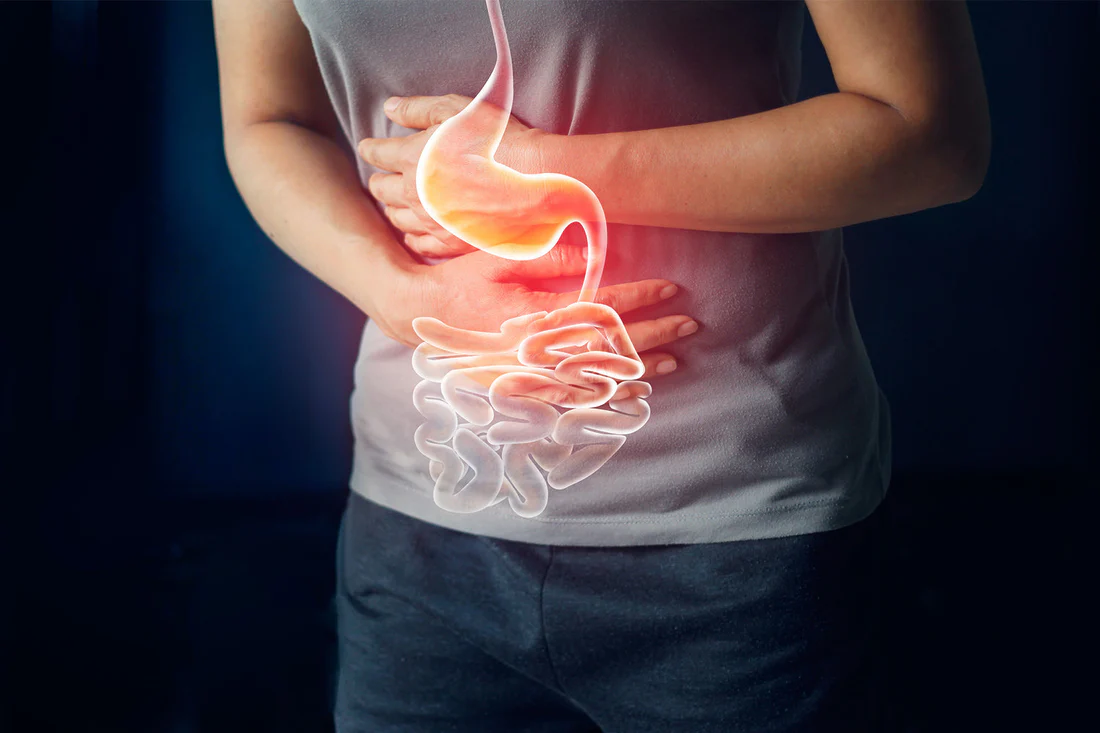
Natural remedies for indigestion work best when they target the real problem: too much stomach acid, slow digestion, trapped gas, food triggers, or stress. The fastest options for mild symptoms are usually simple ones, including sipping ginger tea, using antacids, drinking water, eating smaller meals, and avoiding the foods or drinks that set you off. These steps can calm common digestive discomfort, reduce nausea, bloating, and more, and lower the strain on the digestive system. They do not fix every cause, though. If symptoms keep coming back, the issue may be acid reflux, functional dyspepsia, gastritis, an ulcer, or another condition that needs proper treatment.
Table of Contents
Understanding Indigestion and Upset Stomach
Indigestion, also called dyspepsia (DYS-pep-see-uh), is pain or discomfort in the upper belly that often shows up after eating or drinking. Many people use “upset stomach” as a broad label for the same cluster of symptoms, even though upset stomach can include other problems too. Indigestion often feels like burning, pressure, fullness, or early satiety. Some people get it once in a while. Others deal with it often enough that it affects sleep, meals, and daily life.
Causes of Indigestion and Upset Stomach
Indigestion has several common causes. Large meals, eating too fast, high-fat foods, spicy dishes, coffee, tea, energy drinks, Alcohol, red wine, beer, and Carbonated beverages can all trigger symptoms in some people. Medicines can do it too, especially NSAIDs (nonsteroidal anti-inflammatory drugs) such as ibuprofen and aspirin, and some antibiotics. Smoking can weaken the valve between the stomach and the esophagus, which makes reflux easier.
Sometimes the cause is not just food or habits. Chronic indigestion may come from Gastroesophageal reflux disease (GERD), Peptic ulcers, gastritis, or functional dyspepsia. NIDDK notes that digestive diseases, infections such as H. pylori, and other health problems can also drive symptoms. That is why treating every case as “just acid” is lazy and wrong.
Symptoms: Nausea, Bloating, and More
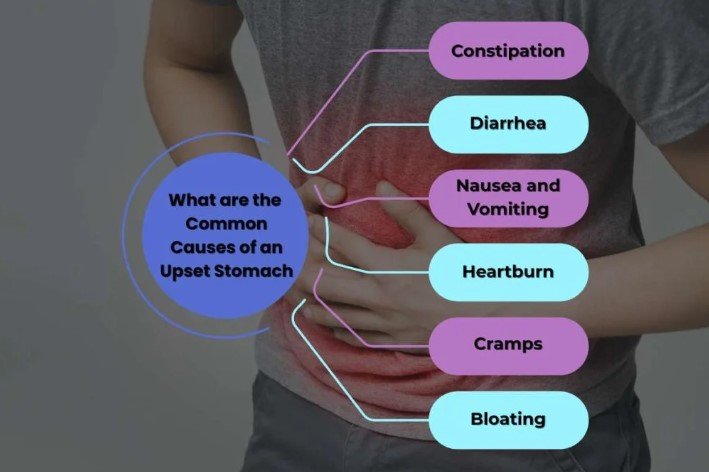
Indigestion usually causes upper belly discomfort, but the symptom list is wider than that. Common signs include heartburn, a burning feeling in the chest, feeling too full during a meal, feeling uncomfortably full long after a meal, Bloating, belching, flatulence, nausea, and sometimes bringing food or bitter fluid back into the mouth. Some people mainly feel pressure. Others mainly feel burning.
Indigestion should not be confused with every stomach complaint. NHS notes that stomach ache or back pain are usually not typical indigestion symptoms on their own. If the pain pattern changes, becomes severe, or comes with vomiting, black stools, or weight loss, the problem may be something else and needs medical review.
Lifestyle and Dietary Adjustments for Better Digestion

Lifestyle changes often do more for long-term relief than random home fixes. If your indigestion is mild and occasional, lifestyle adjustments often cut symptoms faster than chasing supplements. Eat less at one time, stay upright after meals, slow down when eating, and track trigger foods. These steps reduce pressure on the stomach and make reflux less likely.
Diet Modifications for Better Digestion
The most useful Dietary Adjustments are practical, not fancy. Eat small meals instead of huge meals. Chew slowly. Avoid eating late at night. Keep a food log, if symptoms happen often. NIDDK says some people with functional dyspepsia do better when they limit carbonated, or fizzy, drinks, foods and drinks that contain caffeine, fatty or greasy foods, fruits and fruit juices, and other personal triggers. There is no single “perfect” indigestion diet. Your triggers matter more than someone else’s list.
For reflux-heavy symptoms, certain foods and drinks are common offenders, including coffee, tea, energy drinks, Spicy foods with chili peppers, Acidic foods such as tomatoes and citrus fruits, alcohol, chocolate, fatty foods, and fizzy drinks. Cut back on what repeatedly sets you off instead of pretending your stomach will “adjust.” Some people can tolerate a small amount. Others cannot.
Incorporating Physical Activity
Physical Activity helps digestion when you use it correctly. A short walk after a meal can reduce bloating and help move gas along. Gentle exercise, yoga, and tai chi may support digestion and reduce Stress, which often worsens indigestion and acid reflux. What does not help is doing hard exercise right after a large meal. That can make symptoms worse.
Natural Remedies and Treatments for Upset Stomach and Indigestion
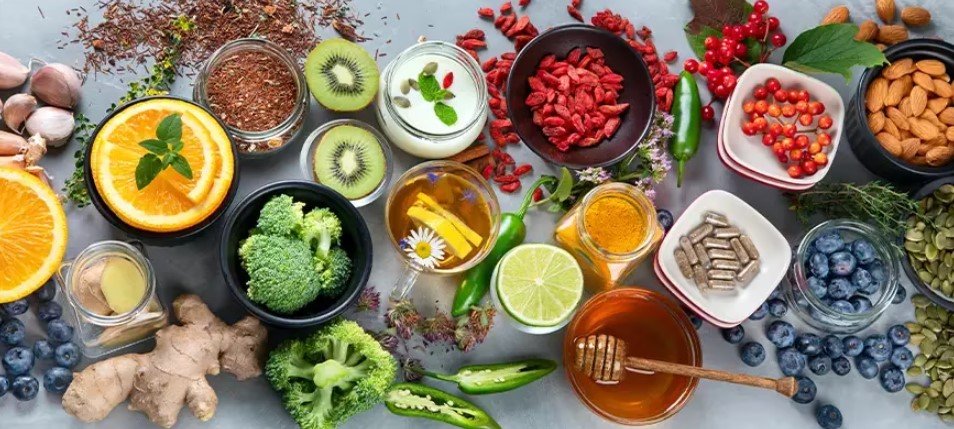
Natural remedies for indigestion can help, but not all of them deserve the hype. Some have decent support for symptom relief. Some only help a few people. Some can make reflux or bloating worse. The smart approach is to use the low-risk options first and drop anything that clearly aggravates your stomach.
Ginger
Ginger is one of the better-supported options for nausea. NCCIH says ginger has been studied for several types of nausea and vomiting, and research shows it may help, especially in pregnancy-related nausea. For indigestion, many people find that sipping ginger tea after meals eases nausea and mild stomach upset. It is not magic, but it is one of the safer home remedies for indigestion and nausea.
Apple Cider Vinegar
Apple Cider Vinegar is one of the most overhyped indigestion remedies online. Cleveland Clinic notes that there is no solid proof that apple cider vinegar relieves acid reflux, and in some people it can irritate symptoms instead of calming them. If indigestion is driven by acid reflux or a tender stomach lining, adding acid is often a bad idea. Use caution, and do not treat it like a proven fix.
Carbonated Drinks
Carbonated Drinks are not a reliable remedy. Some people burp and feel brief pressure relief after a fizzy drink. That part is real. But NHS and NIDDK both note that fizzy drinks can worsen bloating and can trigger symptoms in people with dyspepsia or reflux. If gas and fullness are your problem, carbonation often adds more gas, not less.
Peppermint or Chamomile Tea
Peppermint tea and chamomile tea can help some people, but they are not equal. Peppermint may relax digestive tract muscles, yet NCCIH says peppermint oil alone is not proven for indigestion and may worsen indigestion in some people. NHS lists heartburn and indigestion as side effects of peppermint oil, and peppermint can aggravate reflux in some people. Chamomile is generally considered safe in tea amounts, and many people tolerate it well, but the evidence for indigestion-specific benefit is modest. So this is the honest version: chamomile is a reasonable gentle option, and peppermint is useful for some stomach cramps or gas but can backfire in reflux.
BRAT Diet
The BRAT Diet means bananas, rice, applesauce, and toast. It can help for a short time when an upset stomach comes with vomiting or diarrhea since these foods are bland and easy to tolerate. But Cleveland Clinic and the American Academy of Pediatrics say a strict BRAT diet is no longer recommended for children because it is too restrictive and does not provide enough nutrition for recovery. For adults, it is fine as a short-term bland-food approach, not as a multi-day nutrition plan.
Baking Soda
Baking Soda, or sodium bicarbonate, can neutralize stomach acid fast. MedlinePlus and Mayo Clinic both describe sodium bicarbonate as an antacid used for heartburn and acid indigestion. It can work for quick relief. The problem is that people overuse it. Baking soda is high in sodium, and it is not a smart long-term fix. If you have high blood pressure, kidney disease, heart failure, are pregnant, or need frequent relief, ask a clinician before using it.
Use a Heating Pad
A heating pad does not fix acid or reflux, but it can reduce the muscle tension and cramping that come with an upset stomach. Gentle heat may help when the problem feels more like tightness, stress, or mild abdominal discomfort than raw heartburn. Use low heat and do not burn your skin. This is comfort care, not a cure.
Drink More Water
Water helps more than people think. Dehydration can worsen nausea, constipation, and digestive discomfort. Drinking water through the day supports digestion, and room-temperature or warm fluids are often easier to tolerate during an upset stomach. Water will not cure GERD or ulcers, but it can reduce the dehydration spiral that makes everything feel worse.
Over-the-Counter Solutions
Over-the-Counter Solutions are often the fastest way to relieve indigestion fast. Antacids work quickly by neutralizing acid, but NHS notes they only relieve symptoms for a few hours and do not treat the underlying cause. H2 blockers, such as famotidine, lower acid more slowly and last longer. Proton pump inhibitors (PPIs), such as omeprazole and lansoprazole, reduce acid production more strongly and are useful for recurring heartburn or reflux. If gas is the problem, Gas-relief products with simethicone can help reduce fullness, pressure, and bloating. One correction matters here: ranitidine used to be common, but NHS says it is not currently available in the UK or globally.
Preventative Measures for Recurring Issues
If indigestion keeps returning, prevention matters more than chasing quick relief every day. Frequent symptoms are a sign to change habits and check for a deeper cause. Prevention usually means stress control, trigger control, weight management if needed, better meal timing, and medical follow-up when symptoms stop behaving like “ordinary” indigestion.
Managing Stress and Emotional Wellbeing
Stress is not fake stomach pain. Stress changes how the digestive system behaves. It can increase stomach acid production, tighten muscles, slow digestion, and worsen symptom awareness. Mayo Clinic and gastro sources note that functional dyspepsia often overlaps with anxiety and stress-related distress. Deep breathing, better sleep, therapy, yoga, walking, and regular routines can help reduce flare-ups. None of this replaces treatment for GERD or ulcers, but stress control often lowers symptom frequency.
Regular Health Check-ups and Tests
Recurring indigestion should not be managed forever with guesswork. NIDDK says doctors may use H. pylori testing, imaging, and upper GI endoscopy when symptoms persist or when the history suggests something more serious. Regular check-ins matter if you use acid medicines often, if symptoms change, or if you have risk factors such as long-term NSAID use, smoking, unexplained weight loss, or anemia.
When to Consult a Healthcare Provider

See a healthcare provider if indigestion keeps coming back, if pharmacy medicines stop helping, or if you need relief so often that it has become routine. Get urgent help if you have chest pain that spreads to the jaw, neck, or arm, shortness of breath, trouble swallowing, repeated vomiting, vomiting blood, black tarry stools, jaundice, severe constant belly pain, or unplanned weight loss. Those are not “just indigestion” warning signs. They can signal bleeding, ulcer disease, gallbladder disease, heart problems, or another serious condition.
Pregnancy and children deserve extra caution. NHS says pregnant patients can use some antacids and alginates, but some products are not suitable, so pharmacist or clinician advice matters. Children with vomiting, dehydration, fever, worsening pain, or blood in stool or vomit need medical review rather than a random home-remedy experiment.
Take Care of Your Stomach
Take care of your stomach by being less careless with it. Eat slower. Eat less at one time. Stop smoking. Cut back on food and drink that repeatedly trigger symptoms. Stay upright after meals. Do not lean on antacids every day and pretend the problem is solved. If your body keeps sending the same signal, listen to it.
Frequently Asked Questions
What are effective home remedies for quick indigestion relief?
Effective home remedies for quick indigestion relief include ginger tea, water, a short walk, smaller meals, and baking soda only when acid is clearly the problem and only if you can use sodium bicarbonate safely. Ginger is one of the better choices for nausea. Water helps if dehydration or mild stomach upset is making symptoms worse. A short walk can help with fullness and gas.
If the symptom is burning or reflux, an antacid usually works faster than most natural remedies. If the symptom is bloating, fizzy drinks are a bad gamble and simethicone makes more sense.
What over-the-counter medicines provide the best relief for indigestion and bloating?
Antacids provide the fastest relief for acid-related indigestion, H2 blockers and PPIs help more with recurring reflux, and simethicone is the better option for gas and bloating. Antacids work quickly but only last a few hours. Famotidine works more slowly but lasts longer. PPIs are stronger for repeated reflux symptoms but are not instant-relief tools.
For bloating and trapped gas, simethicone is the cleaner choice. It treats pressure, fullness, and bloating caused by gas. If you need any of these often, that is a sign to get checked instead of self-treating forever.
What strategies can alleviate indigestion symptoms rapidly during the night?
To ease indigestion at night, stop eating a few hours before bed, keep your upper body elevated, avoid alcohol and heavy meals late in the evening, and use an antacid or acid-reducing medicine if your clinician or pharmacist says it is appropriate. NHS advises not eating close to bedtime and using smaller, more frequent meals. Staying upright after dinner helps keep stomach contents where they belong.
Peppermint at night is not always smart, especially if reflux is part of the problem. Chamomile may be the gentler tea choice for some people.
Which foods or drinks offer the fastest relief from indigestion discomfort?
The fastest tolerated options are usually bland, non-greasy, non-acidic foods and simple fluids, including water, bananas, rice, applesauce, toast, and ginger tea. These are easier on the digestive tract than fatty or spicy meals. The point is to calm the stomach, not challenge it.
What to avoid matters just as much. If you are already uncomfortable, coffee, energy drinks, red wine, beer, spicy food, citrus, tomatoes, and fizzy drinks are more likely to stir the problem up than settle it down.
Are there any quick remedies for persistent indigestion lasting several days?
Yes, there are short-term remedies for a few days of indigestion, but persistent indigestion needs proper evaluation. You can use antacids, famotidine, or a short OTC PPI course when appropriate, clean up your diet, stop trigger foods, and avoid NSAIDs if they are irritating your stomach and your prescriber agrees. That is symptom control. It is not diagnosis.
If symptoms last several days, recur often, or come with weight loss, trouble swallowing, vomiting, black stools, or chest pain, stop self-treating and see a clinician. Persistent dyspepsia can be functional, but it can also be GERD, gastritis, an ulcer, or infection.
How to manage indigestion accompanied by gas and vomiting using home treatments?
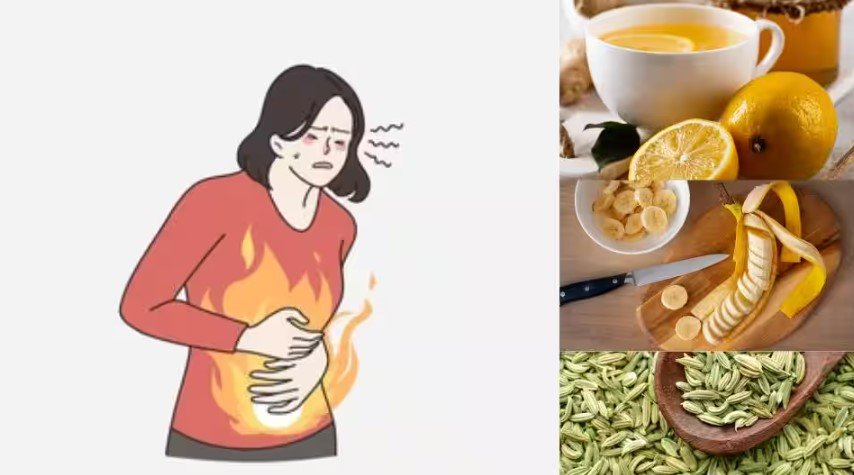
Manage indigestion with gas and vomiting by taking small sips of water or oral fluids, resting the stomach with bland foods once vomiting eases, and using simethicone for gas if needed. The first job is preventing dehydration. When food becomes tolerable, bland foods such as bananas, rice, applesauce, and toast can be used for a short time.
Do not play games with persistent vomiting. If vomiting continues, if you cannot keep fluids down, if there is blood, if the belly pain is severe, or if the person is a child, older adult, or pregnant, get medical help.
Also Read: Natural Remedies for Trigeminal Neuralgia Pain: What Helps
Conclusion
Natural remedies for indigestion can help when the problem is mild, occasional, and clearly linked to food, stress, gas, or a temporary upset stomach. The most useful options are not exotic. Sipping ginger tea, drinking water, eating smaller meals, avoiding trigger foods, staying upright after meals, and using antacids or simethicone when they fit the symptom usually provide the best effective relief.The hard truth is simple. Some “natural” fixes are overrated. Apple cider vinegar is not a proven answer for reflux. Carbonated drinks often make bloating worse. Peppermint can aggravate heartburn in some people. If indigestion keeps returning, pushes into the night, or comes with warning signs, stop guessing and get checked. Long-term digestive health comes from the right diagnosis, not endless trial and error.