Gums Receding Around Crown: Causes & Solutions
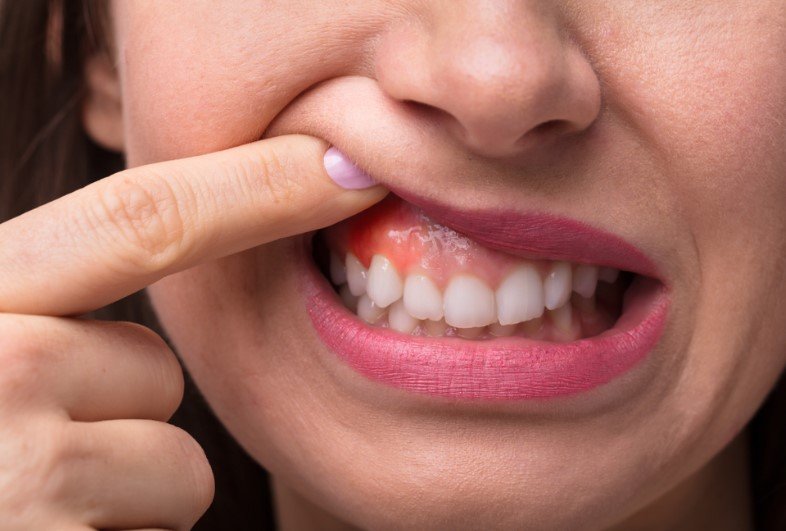
Gums receding around dental crowns can be a concerning issue that affects both your oral health and appearance. This condition occurs when the gum tissue that surrounds a crown begins to pull back or recede, exposing more of the tooth or even its root. If left untreated, it can lead to serious complications like tooth sensitivity, bacterial buildup, and even decay beneath the crown. In this article, we’ll explore the causes, symptoms, and effective treatments for gums receding around crown and discuss how to prevent it.
Table of Contents
Why Your Gum Might Recede Around a Dental Crown
Gum recession around a dental crown can be caused by several factors. It’s important to understand these causes to prevent further damage and take proper steps for treatment. Gum recession may not always be due to a faulty crown but can be the result of various contributing factors, including oral hygiene habits, aging, and underlying gum disease.
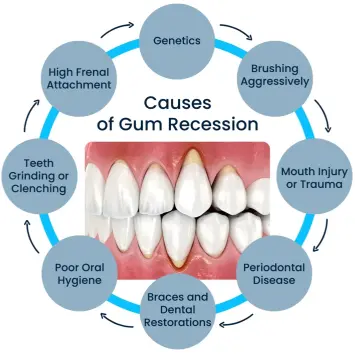
Top Causes of Gum Recession Around Crowns
Improper Crown Fit or Placement
One of the most common reasons for gum recession around crowns is an improper fit or placement. When a crown doesn’t fit well or is placed incorrectly, it can irritate the surrounding gum tissue, causing inflammation and recession. An ill-fitting crown may trap plaque and bacteria under the edge, further worsening the situation.
Poor Oral Hygiene
If you’re not maintaining proper oral hygiene around your crown, plaque and tartar can build up and inflame your gums. This buildup leads to gum disease, which can cause gum recession around the crown and eventually affect the supporting tooth structure.
Aggressive Tooth Brushing
Brushing too hard, especially around a dental crown, can wear away the gum tissue. Using a hard-bristled toothbrush or applying excessive pressure while brushing can damage the gums, making them more susceptible to recession.
Clenching or Teeth Grinding (Bruxism)
Bruxism, or the act of grinding or clenching your teeth, can put constant pressure on the crowned tooth. This stress on the gums and tooth can cause the gums to recede over time.
Natural Aging and Gum Thinning
As we age, our gum tissue naturally thins. This process can become more pronounced around dental crowns, particularly in individuals who are prone to gum recession. The crown may also become exposed at the margin due to this natural gum thinning.
Gum Disease
Gum disease, including gingivitis and periodontitis, is a major contributor to gum recession. Bacteria from plaque buildup cause inflammation that can break down the structures that support the teeth and gums, leading to gum recession around the crown.
Common Dental Crown Problems That Cause Gum Recession
Dental crowns, while highly effective restorations, can sometimes contribute to gum recession. Here are some common crown-related issues that can lead to gum problems:
- Old or damaged crowns: Over time, crowns can wear down, crack, or become loose. This may expose the underlying tooth and cause the gums to recede.
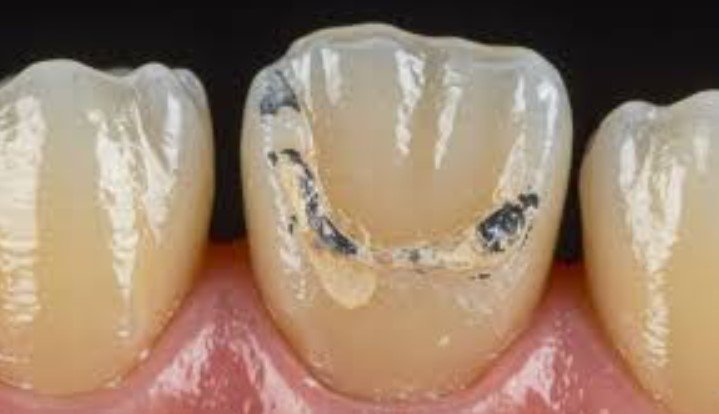
- Porcelain-fused-to-metal crowns: These crowns can develop a visible dark line along the gumline, especially when the gum tissue recedes. This may irritate the gum tissue, making recession worse.
- Poorly fitted crowns: A crown that does not fit properly can lead to plaque accumulation and irritate the gums, which may eventually cause them to recede.
Common Symptoms of Receding Gums Around Crowns
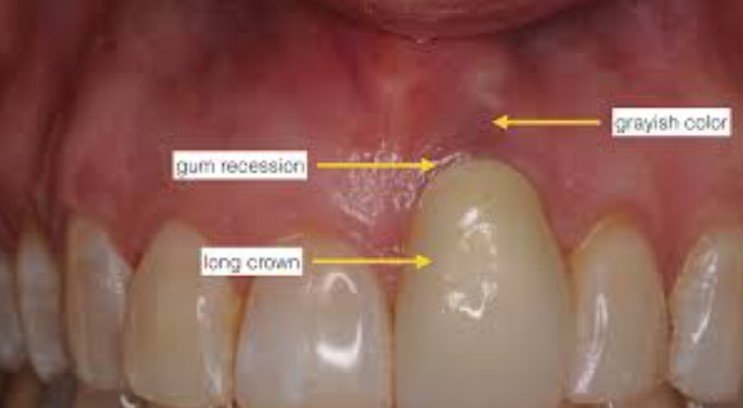
Receding gums around a crown can present several symptoms, including:
- Tooth sensitivity: You may experience increased tooth sensitivity to hot, cold, or sweet foods around the affected tooth.
- Visible gap: A noticeable gap between the crown and gumline may appear, as the gum tissue recedes.
- Longer-looking tooth: As the gum pulls back, the crowned tooth may appear longer than before.
- Red, swollen, or tender gums: Inflammation of the gum tissue is a common symptom.
- Bad breath or bad taste: Gum recession can lead to the accumulation of bacteria, which may cause bad breath.
- Food trapping: Food can get stuck near the crown, causing discomfort and irritation.
Early detection is critical to prevent complications such as infection or decay under the crown.
Effective Treatment Options for Gum Recession Around Crowns
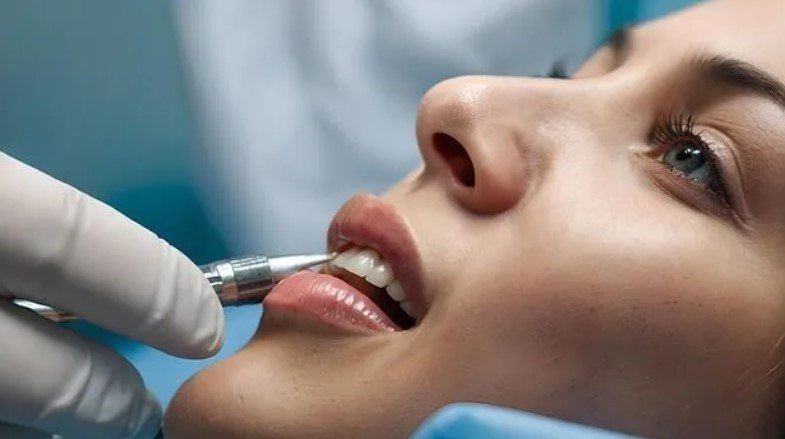
If you notice your gums receding around a crown, there are several treatment options to address the issue. Your dentist may recommend one or more of the following solutions:
Crown Replacement or Recontouring
If the crown is contributing to the problem, your dentist may recommend replacing it with a better-fitting one or recontouring the existing crown. This can help restore the proper gum fit and prevent further recession.
Professional Dental Cleaning
A deep cleaning, especially scaling and root planing, can help remove plaque and tartar buildup beneath the gumline. This procedure is essential for promoting gum health and preventing further recession.
Gum Grafting Surgery
For severe gum recession, gum grafting may be necessary. This procedure involves taking tissue from another part of your mouth and grafting it onto the receded area to restore natural gum levels and protect the underlying tooth.
Custom Night Guards
If teeth grinding or bruxism is the cause of the gum recession, a custom night guard can protect the crown and reduce pressure on the gums while you sleep.
Improved Oral Care Routine
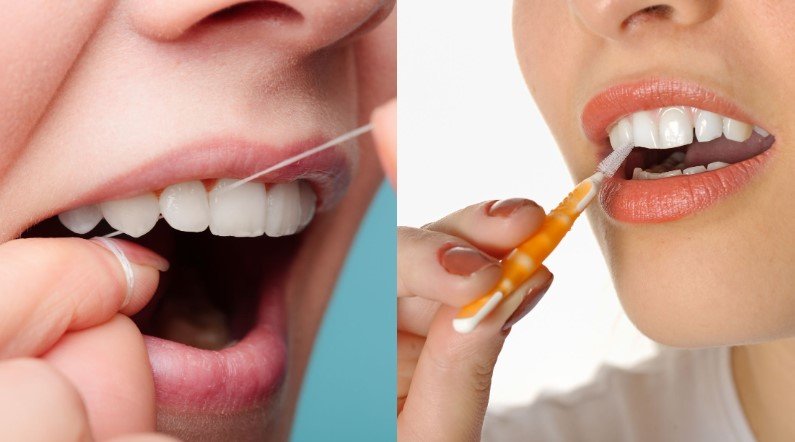
Maintaining a proper oral care routine is essential to prevent further gum recession. Use a soft-bristled toothbrush, fluoride toothpaste, and floss daily, or consider using a water flosser to keep the area around the crown clean.
The Fix: What to Do When Gums Recede Around a Crown
If you’re experiencing gum recession around your crown, the best course of action is to consult with your dentist. They will assess the situation and recommend the appropriate treatment. It’s essential to act quickly to prevent further damage and avoid complications such as tooth decay or bone loss.
When a New Dental Crown Is the Right Move
If the crown is old, cracked, or poorly fitted, a new crown may be the solution to prevent further gum recession. A properly fitted crown will help protect your tooth, prevent irritation to the surrounding gums, and improve your smile.
Preventing Gum Recession Around Crowns
To prevent gum recession around crowns, you should:
- Maintain proper oral hygiene by brushing and flossing regularly.
- Use a soft-bristled toothbrush and gentle brushing techniques.
- Visit your dentist regularly for cleanings and crown evaluations.
- Avoid smoking or using tobacco products, as they can contribute to gum disease.
- Address any bite issues or teeth grinding habits early to prevent stress on your crowns.
See Also: Can Dentures Be Fitted to Receding Gums? A Complete Guide
Keeping Gum and Dental Hygiene Front and Center
Proper dental hygiene is crucial to maintaining healthy gums around your crowns. Brush your teeth at least twice a day, using a gentle, soft-bristled toothbrush. Floss daily, especially around crowned teeth, and use a water flosser to remove plaque and food particles.
How Nature’s Smile Helps Support Receding Gums
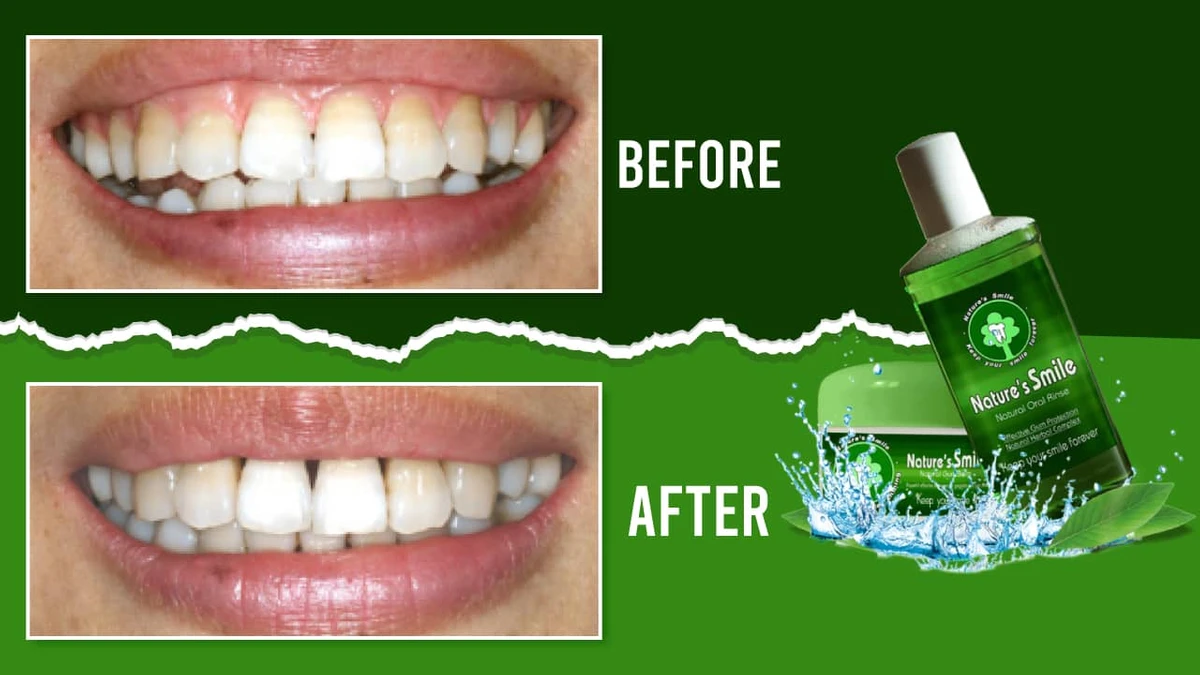
One of the most effective natural solutions is Nature’s Smile—a herbal formula designed specifically for gum health.
Unlike chemical-based mouthwashes that can disrupt your oral balance, Nature’s Smile uses plant-based ingredients known for their healing and antibacterial properties.
Why it works
- Targets harmful bacteria around the crown
- Reduces gum inflammation
- Supports gum tissue recovery
- Helps tighten and strengthen gums
- Promotes healthier oral microbiome
For people dealing with gums receding around a crown, this can be a crucial step.
Because when bacteria are controlled, inflammation decreases—and that gives your gums a chance to stabilize.
Receding Gums Need Attention Now
Gum recession is not just a cosmetic issue. If left untreated, it can lead to tooth loss, sensitivity, and serious dental complications. Take action now by visiting your dentist to address gum recession and protect your smile.
Frequently Asked Questions
What Causes Gums to Recede Around a Dental Crown?
Gum recession around a dental crown can be caused by several factors, including gum disease, poor oral hygiene, teeth grinding, or an ill-fitting crown. Bacteria and plaque buildup can irritate the gum tissue, leading to recession.
Is a Dark Line Around My Crown a Sign of Gum Recession?
Yes, a dark line around the crown, especially with porcelain-fused-to-metal crowns, can indicate gum recession. This line may be where the metal base of the crown is exposed due to gum shrinkage.
Can Receding Gums Around a Crown Be Fixed?
Yes, receding gums around a crown can be fixed. Treatments may include gum grafting, crown replacement, and improving oral hygiene.
How Can I Prevent Gum Recession Around My Crown?
To prevent gum recession, practice gentle oral hygiene with a soft-bristled toothbrush and floss daily. Regular dental checkups help catch early signs of recession or crown issues.
Conclusion: Protect Your Smile for the Long Term
Gum recession around dental crowns is a treatable condition, but it’s crucial to address it early. Whether it’s due to gum disease, a poorly fitted crown, or poor oral hygiene, your dentist can guide you toward the right solution, from crown replacement to gum grafting. Protect your gums and maintain your smile by practicing good oral care and seeking timely dental treatment.