Why Are My Gums Receding? The Hidden Causes You Shouldn’t Ignore
It usually begins with something small. Maybe your teeth suddenly feel more sensitive to cold drinks. Maybe your smile looks slightly different in the mirror. Or perhaps you notice your teeth appear longer than they used to.
These subtle changes often raise an unsettling question:
Table of Contents
Why are my Gums Receding?
Gum recession is more common than most people realize. In fact, millions of adults experience it at some point in their lives. The problem is that many people don’t notice it until the condition has already progressed.
Your gums play a critical role in protecting the roots of your teeth and supporting long-term oral health. When they begin to recede, the exposed tooth roots become vulnerable to sensitivity, decay, and infection.
The good news is that understanding the causes of gum recession can help you take action early and protect your smile naturally.
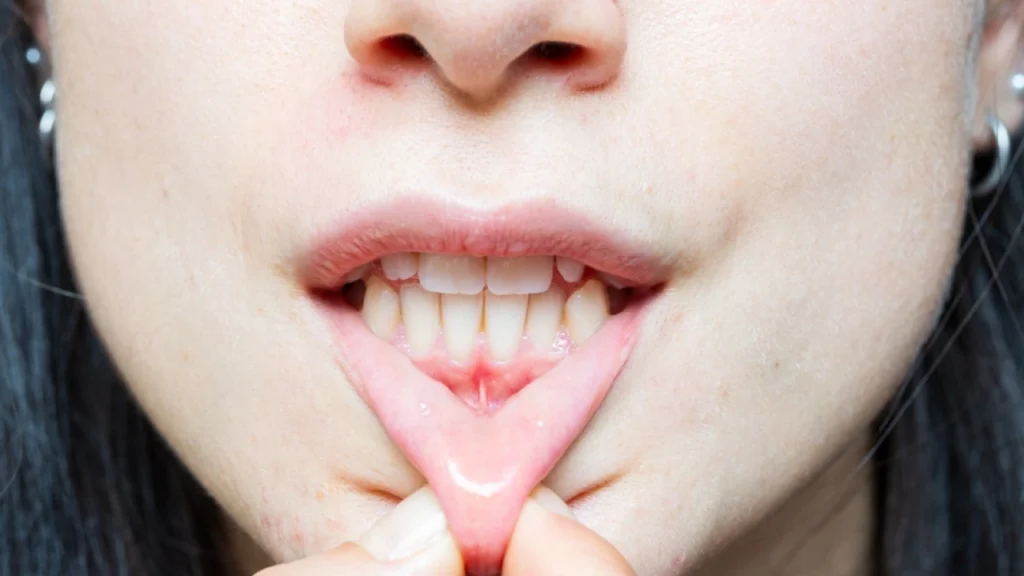
In this guide, we’ll explore the most common reasons gums recede, warning signs to watch for, and practical steps you can take to support healthier gum tissue. Understanding these factors is essential, as the American Dental Association emphasizes that early detection and consistent oral hygiene are key to preventing the progression of gum disease and maintaining long-term oral health.
What Does Gum Recession Mean?
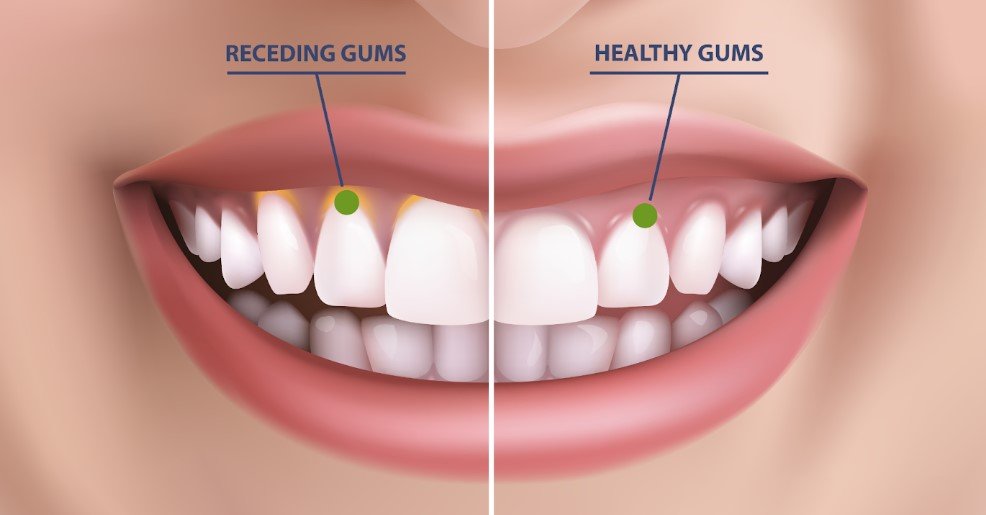
Gum recession occurs when the gum tissue surrounding the teeth gradually pulls back or wears away.
As the gums recede, more of the tooth becomes exposed, including the sensitive root surface that normally remains protected beneath the gumline.
This exposure can lead to several oral health issues, including:
- Tooth sensitivity
- Increased risk of cavities near the roots
- Gum inflammation
- Changes in the appearance of the smile
- Higher risk of tooth instability over time
Because gum tissue does not regenerate easily on its own, early prevention and proper care are essential.
Early Signs Your Gums May Be Receding
Many people do not notice gum recession right away. However, certain warning signs can indicate that gum tissue is starting to pull away from the teeth.
Common signs include:
- Teeth appearing longer than before
- Increased tooth sensitivity to hot or cold foods
- Notches near the gumline
- Bleeding while brushing or flossing
- Red, swollen gums
- Persistent bad breath
If you notice these symptoms, it’s important to address the underlying cause before the recession worsens.
Why Are My Gums Receding? Common Causes
Several factors can contribute to gum recession. Understanding these causes can help you protect your gums and prevent further damage. NIDCR
Gum Disease: The Most Common Cause
One of the leading causes of receding gums is gum disease, also known as periodontal disease. Gum disease develops when bacteria accumulate along the gumline and trigger inflammation.
Over time, this inflammation can damage gum tissue and the structures that support the teeth.
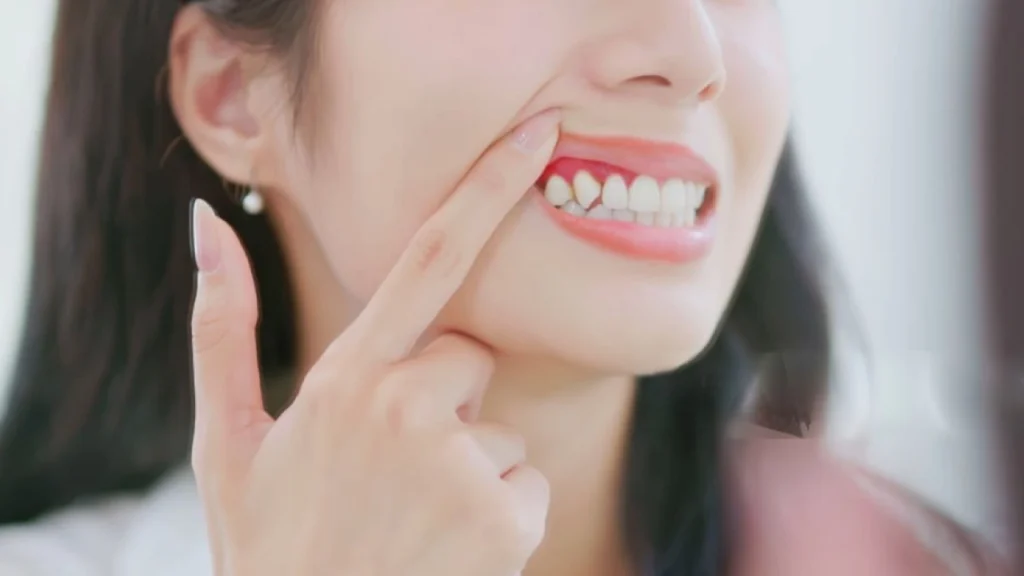
Signs of Gum Disease include:
- Bleeding gums
- Swollen gum tissue
- Persistent bad breath
- Loose teeth in advanced stages
If left untreated, gum disease can gradually cause the gums to pull away from the teeth.
Brushing Too Hard
Many people believe brushing harder means cleaner teeth. Unfortunately, aggressive brushing can wear down gum tissue over time.
Using a hard-bristled toothbrush or applying excessive pressure may gradually erode the delicate gumline.
Dentists typically recommend:
- Using a soft-bristled toothbrush
- Brushing gently with circular motions
- Avoiding excessive pressure
Gentle brushing helps protect both tooth enamel and gum tissue. AAP
Poor Oral Hygiene Habits
Inconsistent oral care allows plaque and bacteria to accumulate along the gumline. Over time, plaque hardens into tartar, which irritates gum tissue and contributes to inflammation.
Without proper cleaning, this irritation may eventually cause the gums to recede.
Maintaining daily oral hygiene is essential for preventing this problem.
Teeth Grinding (Bruxism)
Teeth grinding places excessive pressure on teeth and supporting structures. This constant force can weaken gum attachment and contribute to gum recession.
Many people grind their teeth during sleep without realizing it.
Signs of grinding include:
- Jaw pain in the morning
- Worn tooth surfaces
- Frequent headaches
- Tooth sensitivity
Managing grinding habits may help protect gum tissue.
Tobacco Use
Smoking and other tobacco products significantly increase the risk of gum recession.
Tobacco can:
- Reduce blood flow to gum tissue
- Slow healing processes
- Encourage bacterial growth
These factors weaken gum health and increase the likelihood of recession. CDC

Hormonal Changes
Hormonal fluctuations can make gums more sensitive and prone to inflammation.
Women may experience increased gum sensitivity during:
- Pregnancy
- Menstruation
- Menopause
These changes can increase the risk of gum recession if oral hygiene is not carefully maintained.
Genetics
Some people are naturally more susceptible to gum recession due to their genetic makeup.
Even with good oral hygiene habits, certain individuals may have thinner gum tissue that is more vulnerable to damage.
If gum recession runs in your family, preventive care becomes especially important.
Why Receding Gums Should Not Be Ignored?
Gum recession is not just a cosmetic concern. As gums pull away from teeth, they expose the tooth roots. Unlike enamel, the root surface is softer and more vulnerable to decay. NCBI
This can lead to:
- Increased tooth sensitivity
- Higher risk of cavities
- Gum infections
- Potential tooth loss in severe cases
Taking early action can help prevent more serious oral health problems.
Natural Ways to Support Gum Health
While professional dental care is important, several daily habits can help support healthier gums.
Simple steps include:
- Brushing gently twice daily
- Flossing regularly
- Eating a nutrient-rich diet
- Drinking plenty of water
- Avoiding tobacco products
These practices help maintain a cleaner oral environment and reduce inflammation.
Nutrients That Support Healthy Gums
Certain nutrients play a critical role in maintaining strong gum tissue.
Key nutrients include:
- Vitamin C: Vitamin C supports collagen production, which helps maintain gum structure.
- Omega-3 Fatty Acids: These healthy fats help reduce inflammation in the body, including gum tissue.
- Calcium: Calcium helps strengthen teeth and supporting structures.
Foods such as leafy greens, citrus fruits, fish, and dairy products can help provide these essential nutrients. NIH
Supporting Gum Health with Herbal Oral Care
When gum recession begins, many people look for ways to improve their oral care routine beyond traditional brushing and flossing.
Herbal oral care solutions have gained attention for their ability to support gum health naturally.
One product that many individuals explore is Nature’s Smile, a plant-based oral care formula designed to support healthier gums.

How Nature’s Smile Supports Gum Care?
Nature’s Smile contains a blend of herbal ingredients traditionally used to promote oral wellness.
These plant compounds are known for their ability to help maintain a healthy balance of bacteria in the mouth and support gum tissue.
The formula works by helping to:
- Support healthier gum tissue
- Reduce harmful oral bacteria
- Maintain a balanced oral microbiome
- Help soothe irritated gums
Unlike many conventional oral products that rely on strong chemicals, Nature’s Smile focuses on natural plant extracts designed to work with the body’s natural processes. Cleveland Clinic
Many people incorporate it into their daily oral care routine to help support stronger gum health.
Lifestyle Changes That Help Prevent Gum Recession
Protecting your gums often requires small lifestyle adjustments.
Helpful changes include:
- Using a soft toothbrush
- Replacing toothbrushes regularly
- Managing stress to reduce teeth grinding
- Drinking plenty of water
- Scheduling regular dental checkups
Consistency is key when it comes to maintaining long-term gum health.
When to Visit a Dentist?
Although natural care strategies can help support gum health, professional dental advice is essential if gum recession becomes noticeable.

You should see a dentist if you experience:
- Severe gum sensitivity
- Visible gum recession
- Persistent gum bleeding
- Loose teeth
- Ongoing gum inflammation
A dental professional can evaluate the condition and recommend appropriate treatment.
Final Thoughts: Protect Your Gums Before Recession Progresses
Your gums are the foundation of a healthy smile. When they begin to recede, it’s often a sign that your mouth needs extra care and attention.
Understanding the causes of gum recession allows you to take steps that protect your teeth, strengthen your gums, and improve your overall oral health.
By maintaining good hygiene habits, eating a balanced diet, and supporting your gums with natural care solutions, you can help preserve your smile for years to come.
If you’re noticing early signs of gum recession or increased gum sensitivity, taking action today can help protect your oral health.