Green Tea for Oral Health: A Simple Way to Support Your Smile

Green tea for oral health is a natural way to support your teeth and gums while enjoying a refreshing beverage. Its active compounds, particularly antioxidants and polyphenols, interact with oral bacteria and dental tissues to reduce plaque, protect enamel, and promote overall gum health. This simple daily habit can help prevent cavities, combat bad breath, and strengthen your smile.
Table of Contents
The Benefits of Green Tea on Oral Health: What Studies Say
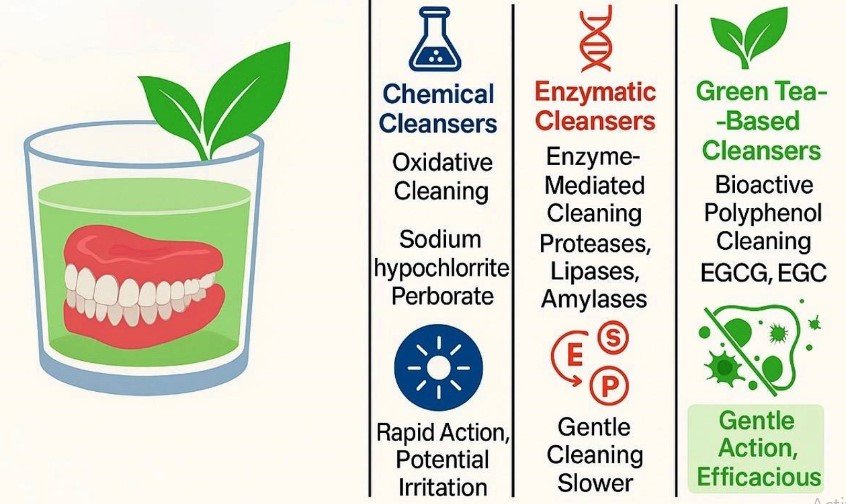
Scientific research has explored the connection between green tea consumption and oral health. A major study published in 2009 in the Journal of Periodontology with 940 male participants found a modest inverse association between green tea intake and periodontal disease. Simply put, participants who drank more green tea experienced less gum disease, which often begins with red, swollen, or bleeding gums and can progress to tooth loss.
Earlier studies, like a small 2007 investigation with 15 participants, showed that green tea was effective in temporarily reducing bad breath. More recent research from 2017 highlighted that EGCG, a green tea polyphenol, could seal microscopic tubes in dentin from extracted wisdom teeth, acting as a cavity inhibitor.
These findings suggest that green tea benefits extend beyond general wellness to targeted oral health advantages like preventing tooth decay, controlling oral bacteria, and supporting gum tissue.
Green Tea and Your Oral Health

Green tea works on multiple levels to support dental wellness. Its naturally occurring fluoride helps fortify tooth enamel, reducing the risk of cavities. Meanwhile, polyphenols and catechins have antibacterial and anti-inflammatory properties, targeting oral bacteria that cause gum disease and bad breath.
Protect Gum Health with Antioxidants
Antioxidants in green tea combat harmful substances that contribute to inflammation in the gums. By reducing swelling and irritation, green tea helps maintain healthy gums naturally and prevents progression to periodontal disease. Preventive care, along with routine periodontal therapy from a dentist, ensures gums stay strong and resilient.
Also Read: Eco-Friendly and Sustainable Oral Care: A Comprehensive Guide
Beware of Potential Tooth Damage from Green Tea
While green tea supports oral health, its tannins can cause stains on teeth over time. Excessive sugar in flavored teas can also negate benefits by promoting tooth decay. To protect your smile, drink unsweetened green tea and consult your dentist about teeth whitening treatments if staining occurs.
Making Green Tea a Part of Your Routine
To maximize green tea’s oral health benefits, consider these practices:
- Choose high-quality green tea: Organic and additive-free varieties offer the highest concentration of beneficial polyphenols.
- Drink unsweetened: Sugar can counteract cavity prevention benefits.
- Complement oral hygiene: Brush at least twice daily, floss, and visit your dentist for regular cleanings.
- Use as a post-meal rinse: Green tea can act as a natural oral rinse to reduce plaque and balance the oral microbiome.
Regular consumption can function as a biofilm disruption beverage, aid in saliva stimulation, and provide antimicrobial breath refreshment.
Beyond Green Tea: Maintaining Healthy Gums
Green tea should complement, not replace, standard oral care. Products like parodontax Complete Protection toothpaste can provide additional support for gum health, addressing issues like bleeding gums and plaque buildup. Maintaining a balanced diet, avoiding excessive sugar, and visiting a dentist regularly are critical for preventing periodontal disease and tooth loss.
Also Read: Order of Oral Care: Best Routine for a Healthier Smile
Conclusion
Green tea for oral health offers multiple advantages, including reducing cavities, controlling oral bacteria, protecting enamel, and maintaining healthy gums. Its combination of antioxidants, catechins, and fluoride provides a natural way to strengthen your teeth and support gum tissue. Incorporating high-quality, unsweetened green tea into your daily routine, alongside proper oral hygiene and professional dental care, helps keep your smile healthy, fresh, and resilient.
By sipping green tea regularly and practicing preventive care, you can enjoy a fresh breath, prevent tooth decay, and maintain oral microbiome balance, supporting a lifetime of healthy teeth and gums.
Study reference
- A 2009 study in the Journal of Periodontology found an inverse association between green tea intake and periodontal disease.
- Green tea and oral health review – Research published by the National Library of Medicine explains that green tea may support periodontal health by reducing inflammation and limiting the growth of certain bacteria.
- Gum disease support link – The National Institute of Dental and Craniofacial Research explains that gum disease starts with plaque buildup and can lead to swollen, red, and bleeding gums.
- Plaque support link – The ADA MouthHealthy plaque guide explains that plaque is a sticky film of bacteria that can contribute to tooth decay and gum disease.