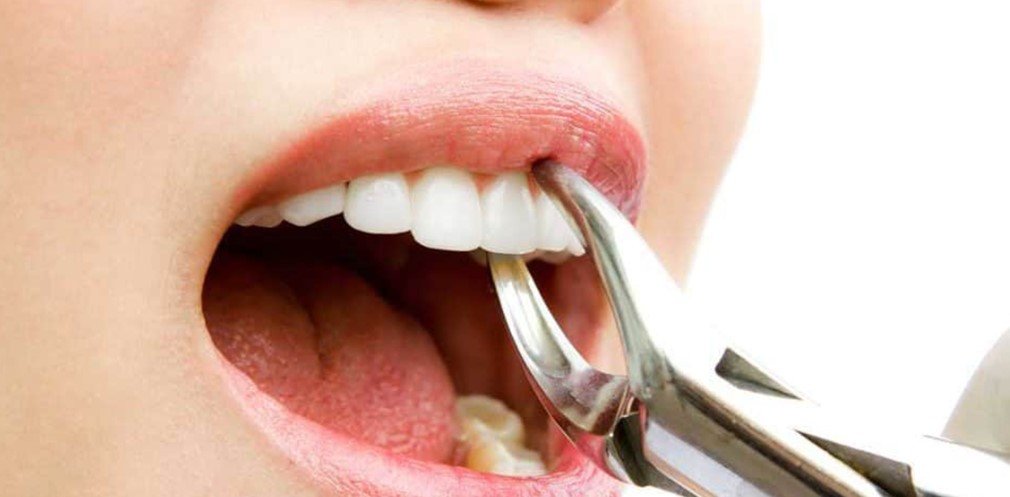
Patchogue Fluoride Treatment Dental Care: Stronger Teeth for Every Age

Patchogue fluoride treatment dental care matters because fluoride helps protect teeth before small weak spots turn into cavities. It works by strengthening enamel, slowing mineral loss, and helping early damage repair itself. For families in Patchogue, fluoride treatment is one of the simplest preventive services to ask about during a routine dental visit, especially if you or your child has a history of cavities, braces, dry mouth, or other cavity risk factors.
Table of Contents
What Fluoride Treatment Does
Fluoride is a natural mineral found in water, rocks, and soil. In dentistry, it is used to make teeth more resistant to decay and to support remineralization, which means putting lost minerals back into enamel before a cavity fully forms. The National Institute of Dental and Craniofacial Research says fluoride strengthens enamel and can help reverse early decay, while the American Dental Association says fluoride is safe and effective for preventing tooth decay in both children and adults.
Why Fluoride Still Matters in Modern Dental Care
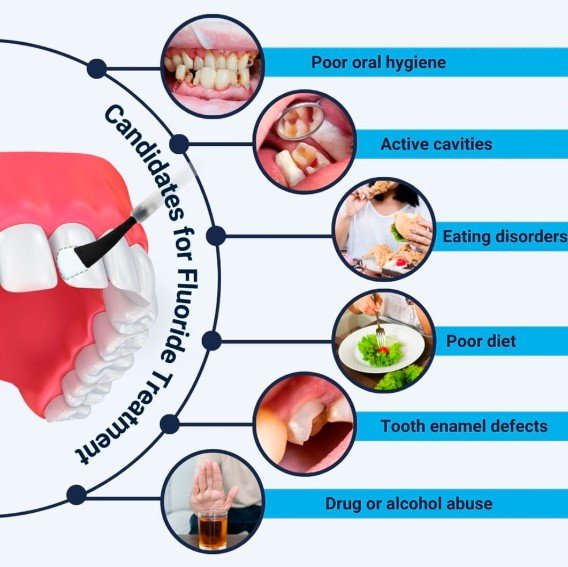
Many people already use fluoride toothpaste, so they assume an in office fluoride treatment is unnecessary. That is not always true. Professional fluoride treatments deliver a higher strength topical fluoride directly to the teeth, which can be especially useful for patients at higher risk of cavities. ADA clinical guidance recommends professionally applied fluoride varnish, gel, or prescription strength home products for people at risk of developing dental caries, and NIA notes that dentists may recommend an office fluoride treatment when a patient has higher cavity risk, including dry mouth linked to health conditions or medicines.
Why This Topic Matters in Patchogue
For a local search term like patchogue fluoride treatment dental care, readers usually want two things. They want to know if fluoride treatment is worth getting, and they want to know if it makes sense for their family. The answer is yes for many patients, but the right choice depends on risk, not just age. CDC says fluoride works across the lifespan, and the best next step is to match the treatment to the person. That is why a Patchogue dentist should look at cavity history, diet, dry mouth, braces, gum recession, and home care before recommending how often fluoride should be used.
How Fluoride Protects Enamel
Every day, plaque bacteria feed on sugars and produce acids that weaken enamel. That process can start long before pain shows up. Fluoride helps by making enamel more resistant to acid attack and by replenishing minerals in early weak areas. NIDCR explains this clearly. Fluoride protects the hard outer surface of the tooth and helps reverse early decay by replenishing lost minerals. This is why fluoride treatment is preventive care, not cosmetic care. It is designed to keep small problems from becoming larger and more expensive problems.
Who Benefits Most From Fluoride Treatment
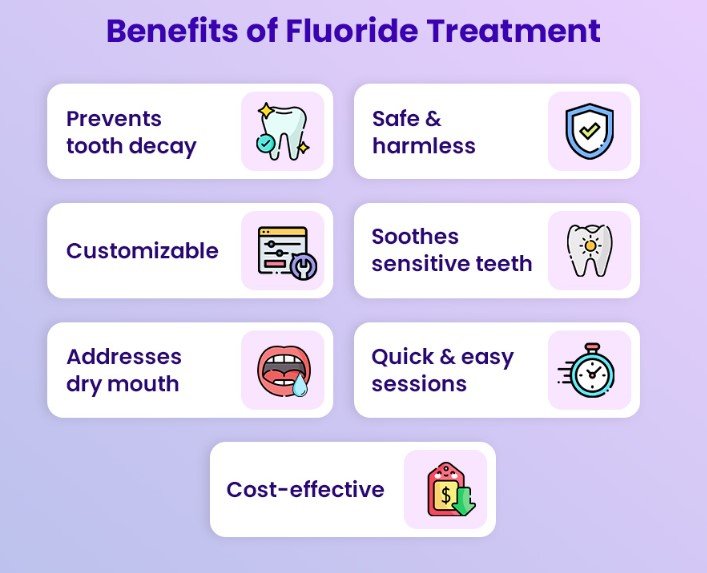
Children often get the most attention when people talk about fluoride, but adults benefit too. Fluoride can help young children with newly erupted teeth, teens with orthodontic appliances, adults who snack often, and older adults with dry mouth, exposed roots, or frequent dental work. NIDCR states that both children and adults benefit from fluoride. The National Institute on Aging adds that fluoride toothpaste and office fluoride treatments can be especially helpful for people at higher risk for tooth decay, including those with dry mouth caused by medical conditions or medications.
Fluoride Treatment for Children in Patchogue
For parents searching patchogue fluoride treatment dental care, one of the most practical questions is when children should start. The USPSTF recommends fluoride varnish for all infants and children once primary teeth erupt, and it recommends oral fluoride supplements from age 6 months only when a child’s water supply is deficient in fluoride. That means children do not all need the same fluoride plan. A Patchogue dentist or pediatrician should consider the child’s age, cavity history, diet, and water source before deciding whether routine varnish alone is enough or whether additional fluoride support makes sense.
Fluoride Treatment for Adults
Adults sometimes skip fluoride treatments because they think fluoride is only for kids. That is a mistake. Adults can develop cavities too, especially near the gum line or around older fillings. Adults with recession, dry mouth, heavy plaque buildup, or frequent snacking may benefit from professional fluoride treatments. The ADA patient guidance says adults may have fluoride treatments in the dental office, and the National Institute on Aging notes that fluoride treatment may be recommended during office visits for patients at higher risk of tooth decay.
What Happens During an In Office Fluoride Treatment
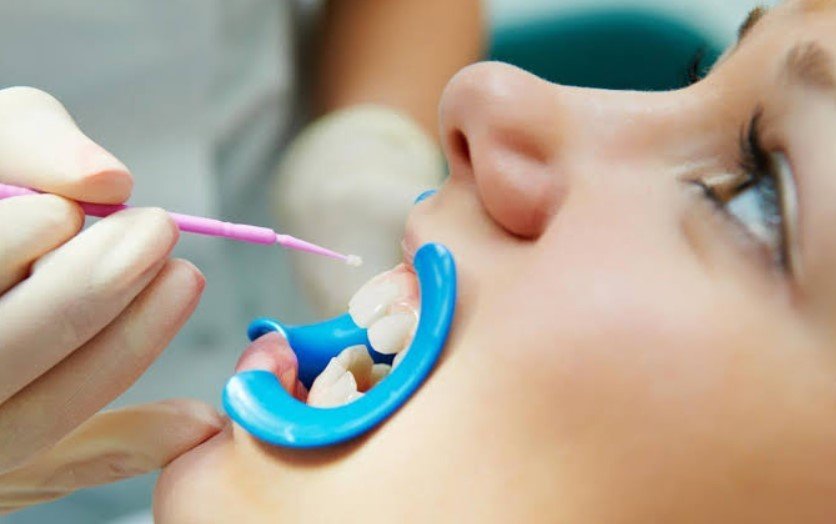
A professional fluoride treatment is quick and simple. Dentists usually apply fluoride as a varnish, gel, or foam after the teeth are cleaned and dried. The ADA guideline notes that professionally applied topical fluoride agents include varnishes, gels, and foams, and for children younger than 6 years only 2.26 percent fluoride varnish is recommended. In most cases, the appointment adds only a few minutes to a regular checkup, which makes it an easy preventive service for busy patients and families.
How Often Should You Get Fluoride Treatment
There is no single schedule that fits everyone. The right frequency depends on caries risk. ADA patient information says fluoride treatments may be recommended every three, six, or twelve months depending on oral health status, and AAPD guidance says children at increased risk for caries may need professional fluoride treatments every six months. For some patients, especially children with active decay risk or adults with dry mouth or root exposure, a dentist may recommend more frequent care.
Patchogue Families Should Ask About Water Fluoride First
One of the smartest questions in Patchogue fluoride treatment dental care is whether your regular drinking water already contains enough fluoride. CDC says the recommended level for community water fluoridation is 0.7 milligrams per liter, and its My Water’s Fluoride tool can help identify local system information, though CDC says the local utility is the best source for current data. The USPSTF also points clinicians to My Water’s Fluoride when deciding about supplements for young children whose water may be deficient in fluoride. For Patchogue families, that means local water information can directly shape the best fluoride plan.
In Office Fluoride vs Fluoride Toothpaste
Fluoride toothpaste is the base of good home care. In office fluoride treatment is extra protection. These are not competing options. They work best together. NIDCR says people get fluoride from tap water, toothpaste, mouth rinses, and dental office varnish or gel. ADA guidance says maximum reduction in dental caries is achieved when fluoride is available both topically and systemically. So if you are trying to decide between fluoride toothpaste and a professional fluoride treatment, the better answer is often both, especially for a patient with moderate or high cavity risk.
Fluoride Treatment and Braces
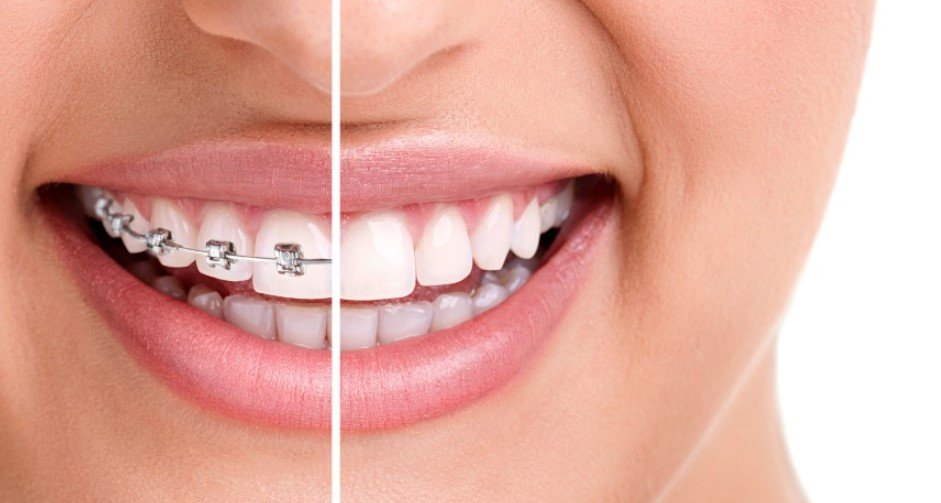
Braces create more places for plaque to collect, which raises cavity risk around brackets and along the gum line. That makes fluoride especially useful for many orthodontic patients. While the guidelines do not single out braces as a separate formal category in the lines we reviewed, ADA and NIDCR guidance both support using higher strength topical fluoride for people at elevated caries risk. In practice, that often includes teens and adults in orthodontic treatment, especially when brushing around brackets is difficult.
Fluoride Treatment and Dry Mouth
Dry mouth is one of the clearest reasons adults may need more aggressive cavity prevention. Saliva helps wash away acids and food debris. When saliva drops, cavity risk climbs. The National Institute on Aging specifically recommends fluoride toothpaste for people at higher risk of decay, including those with dry mouth due to health conditions or medicines, and notes that dentists may recommend office fluoride treatment or home fluoride gel or rinse. For many adults in Patchogue, this is one of the most overlooked reasons to ask about fluoride treatment.
Is Fluoride Treatment Safe
At recommended levels and when used as directed, major U.S. dental and public health authorities continue to support fluoride as safe and effective. The ADA says fluoride and community water fluoridation are safe and effective for children and adults. AAPD says the standard fluoridation level of 0.7 ppm balances the benefit of caries prevention with the possibility of dental fluorosis from excessive ingestion during early tooth development. CDC and NIDCR both continue to describe fluoride as an effective part of cavity prevention.
What About Fluorosis
Parents often worry about fluorosis. Dental fluorosis is a change in how teeth look that can happen only while teeth are developing, usually in younger children who consume too much fluoride from all sources over time. CDC says only young children can develop dental fluorosis, and ADA’s patient guidance describes it as faint white lines or streaks that occur when younger children consume too much fluoride during tooth development. Once teeth erupt and fully form, fluorosis does not newly develop in those teeth. This is one reason dentists tailor fluoride advice by age and water source.
When Patchogue Patients Should Consider Booking a Visit
If you have frequent cavities, sensitivity near the gum line, braces, dry mouth, gum recession, or a child with a recent history of decay, it makes sense to ask a Patchogue dentist about fluoride treatment. It is a small preventive step that may reduce the need for fillings later. CDC says fluoridated water reduces cavities by about 25 percent in children and adults, and ADA clinical guidance supports professionally applied fluoride for patients at risk of caries. That combination makes fluoride treatment one of the highest value preventive conversations to have during a routine exam.
How to Choose the Right Fluoride Plan

The best fluoride plan is personal. Some patients need only fluoride toothpaste and regular cleanings. Others need varnish every six months. Some younger children may need supplements if their water supply is deficient in fluoride. The right approach depends on age, water source, cavity risk, and whether there are issues like braces, dry mouth, or exposed roots. The USPSTF, ADA, and AAPD all point in the same direction here. Use fluoride thoughtfully, match it to risk, and let a dental professional guide the schedule.
Final Thoughts
Patchogue fluoride treatment dental care is not just for children, and it is not an outdated add on. It is a practical preventive service that helps strengthen enamel, lower cavity risk, and support long term oral health for kids, teens, adults, and older adults. If you live in Patchogue and want fewer cavities, stronger teeth, and a more preventive dental plan, asking your dentist about fluoride treatment is a smart next step. The treatment is quick, low effort, and backed by major dental and public health organizations when used appropriately.
Authority Sources Used
- American Dental Association guidance on fluoride and topical fluoride
- National Institute of Dental and Craniofacial Research fluoride overview
- Centers for Disease Control and Prevention community water fluoridation guidance
- U.S. Preventive Services Task Force guidance for children younger than 5
- American Academy of Pediatric Dentistry fluoride therapy guidance