What to Use for Receding Gums: Best Options for Healthier Gums
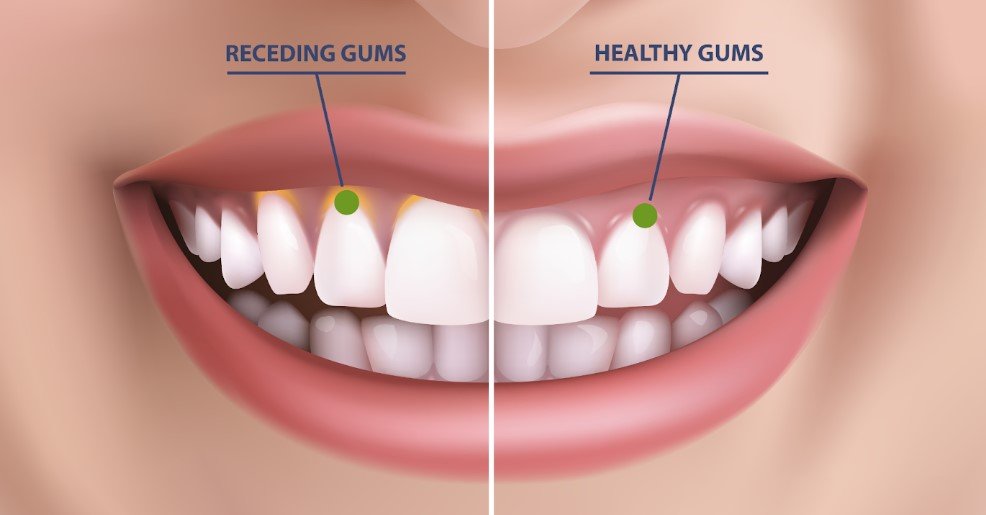
Receding gums can be frustrating, uncomfortable, and a little scary when you first notice them. Your teeth may suddenly look longer, you may feel sharp sensitivity when drinking something cold, or you may spot a notch near the gumline that was not there before. Gum recession happens when the gum tissue around the teeth pulls back or wears away, exposing more of the tooth and sometimes part of the root. Gum disease is one of the most common reasons this happens, especially when plaque and tartar are allowed to build up along the gumline.
If you are searching for what to use for receding gums, the answer depends on the cause and how advanced the recession is. There is no single product that magically grows gum tissue back in every case. What usually helps most is a combination of gentle daily oral care, professional dental treatment when needed, and targeted management of symptoms like sensitivity or inflammation. In more serious cases, gum grafting or periodontal treatment may be recommended to protect exposed roots and reduce further damage.
Table of Contents
What Are Receding Gums?
Receding gums are gums that have moved away from the tooth surface, exposing more of the crown or the root. This can happen gradually, so some people do not notice the change right away. You may first become aware of it when brushing feels uncomfortable, when your teeth become sensitive, or when your smile simply looks different than before. In periodontitis, gums can pull away from the teeth and form pockets that trap bacteria, which can make recession worse over time.
Receding gums are not only a cosmetic concern. Exposed roots are more vulnerable than enamel-covered parts of the tooth, which means you may be at higher risk of sensitivity, root decay, and ongoing irritation. The longer the underlying cause continues, the greater the chance of more tissue loss and possible tooth-support damage.
What Causes Receding Gums?
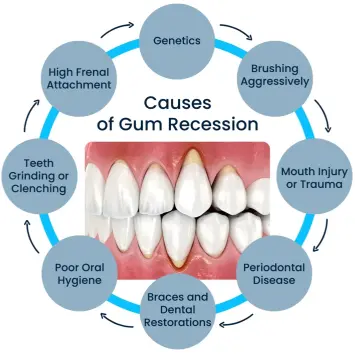
Gum disease
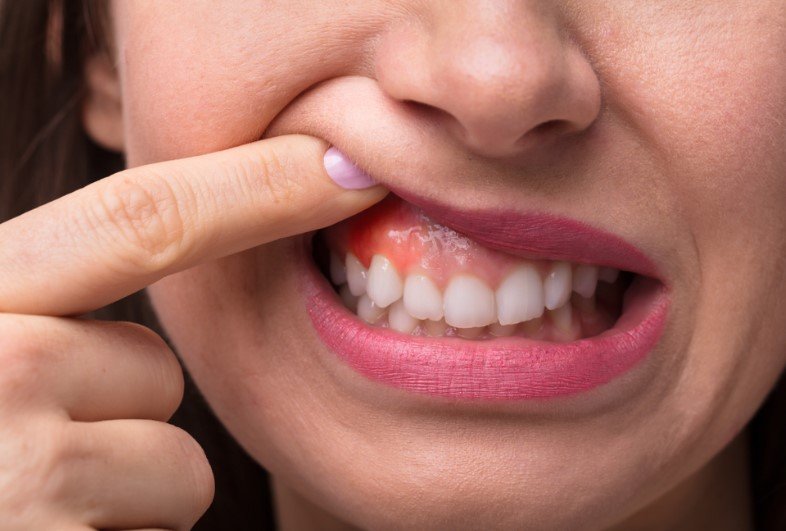
One of the main causes of receding gums is gum disease. Plaque is a sticky film of bacteria that forms on the teeth every day. If it is not removed well through brushing and cleaning between the teeth, it can harden into tartar and irritate the gums. Early gum disease, called gingivitis, causes red, swollen, and bleeding gums. If it progresses to periodontitis, the gums can pull away from the teeth and supporting bone can be damaged.
Brushing too hard
Aggressive brushing can also contribute to gum recession. Cleaning your teeth is essential, but scrubbing harshly at the gumline can wear down the tissues over time. Guidance from NHS resources favors soft-bristled or soft-filament brushing and careful plaque removal rather than forceful brushing. (nhs.uk)
Poor daily oral hygiene
If plaque stays on the teeth too long, inflammation becomes more likely. NIDCR notes that regular brushing and flossing are key to preventing gingivitis and more severe gum disease. This is why daily home care is often the first and most important thing to use for receding gums caused by plaque-related inflammation. (NIDCR)
Tobacco use and other risk factors
Tobacco use can worsen gum problems and make healing harder. Mayo Clinic notes that good oral care and stopping tobacco are part of successful gum disease treatment. Certain health conditions can also raise the risk of periodontal problems. (Mayo Clinic)
What to Use for Receding Gums at Home

A soft-bristled toothbrush
One of the best things to use for receding gums is a soft-bristled toothbrush. The goal is to remove plaque without damaging the gumline further. A small-headed, soft toothbrush can help you clean thoroughly while being gentler on sensitive areas.
Gentle brushing technique
How you brush matters just as much as what brush you use. If your gums are receding, use a gentle motion rather than scrubbing hard back and forth. ADA home oral care guidance emphasizes proper daily oral hygiene as the foundation of gum health. The right technique helps clean the gumline without adding more trauma. (ADA)
Fluoride toothpaste
A fluoride toothpaste is useful because exposed root surfaces can be more vulnerable to decay. NHS oral health guidance recommends brushing twice a day with fluoride toothpaste, which supports both teeth and gums as part of everyday prevention. Fluoride will not reverse gum recession, but it can help protect teeth in areas affected by recession. (nhs.uk)
Daily floss or interdental cleaning
Cleaning between the teeth is essential if you want to control plaque around the gumline. NIDCR and NHS sources both recommend flossing or cleaning between the teeth daily to reduce plaque and help prevent gum disease. If plaque between the teeth remains untouched, inflammation can continue even if you brush well. (NIDCR)
Sensitivity relief products
If receding gums have left roots exposed, sensitive-teeth products may help reduce discomfort. Exposed roots can be managed in some cases with treatments aimed at sensitive teeth, and in more advanced situations a gum graft may be considered to protect the root and lessen sensitivity. Sensitivity products can help with symptoms, but they do not fix the underlying recession.
What to Use for Receding Gums From Gum Disease
Professional dental cleaning
If plaque and tartar buildup are contributing to the problem, professional cleaning is one of the most important treatments to use. Tartar cannot be removed by brushing alone and must be cleaned off by a dentist or dental hygienist. Regular professional cleaning helps remove the source of irritation and can improve gum health before the problem becomes more serious.
Scaling and root planing
For deeper gum disease, routine cleaning may not be enough. Periodontal treatment aims to thoroughly clean the pockets around the teeth and prevent damage to surrounding gum tissue and bone. That often includes scaling and root planing to remove plaque, tartar, and bacteria from below the gumline. This is one of the most common professional treatments to use when recession is linked to periodontitis.
Better plaque control every day
Even after professional care, daily home care remains essential. Gum treatment works best when you maintain consistent brushing and cleaning between the teeth. NHS Wales guidance notes that successful gum disease treatment depends on maintaining a good level of oral hygiene every day.
Can Receding Gums Grow Back?
This is one of the most common questions people ask. In general, lost gum tissue does not usually grow back on its own once true recession has occurred. If gums are swollen from gingivitis, they may look healthier again after inflammation is treated, but actual recession is different. When root surfaces are exposed because gum tissue has receded, the focus is usually on stopping further loss, protecting the exposed area, and improving comfort and appearance where possible.
That is why early action matters so much. The sooner the cause is addressed, the better the chance of preventing more recession. Waiting too long can allow inflammation, pocketing, and bone damage to continue.
Also Read: Gum Disease From Dipping: How Smokeless Tobacco Harms Your Gums
When a Gum Graft May Be the Best Option
If you want to know what to use for receding gums when the root is already exposed and sensitivity is significant, the answer may be a gum graft rather than a home product. Gum graft can protect an exposed root and may lessen sensitivity by attaching tissue to the problem area. This is usually considered when recession is more advanced or when the exposed root needs extra protection.
A gum graft is not the first step for everyone. Dentists typically begin by looking at the cause of the recession, whether gum disease is active, and whether oral hygiene habits need to change first. But if the recession is substantial, a graft may be one of the most effective longer-term solutions.
What Not to Use for Receding Gums
It is easy to get tempted by products that promise instant gum regrowth or overnight results. Be cautious with anything that claims to reverse recession quickly without dental evaluation. Receding gums often involve structural tissue loss, so there is rarely a simple cosmetic fix. The most evidence-based approaches are plaque control, professional dental care, treatment of periodontal disease, and in some cases surgical support like grafting.
You should also avoid using a hard-bristled brush or brushing with excessive force. More pressure does not mean cleaner teeth, and it can make tender gumlines feel worse. Gentle, consistent care is usually the safer approach.
The Best Daily Routine for Receding Gums
If you are trying to build the right routine, keep it simple and consistent. Brush twice a day with a soft toothbrush and fluoride toothpaste. Clean between your teeth every day with floss or another interdental cleaner. Keep up with routine dental visits so plaque, tartar, and early gum problems can be addressed before they worsen. NHS and NIDCR both emphasize these habits as the basics of protecting teeth and gums. (NIDCR)
If your gums bleed, feel sore, or look like they are pulling back more, do not wait too long to be checked. Gingivitis can often be reversed early, but untreated gum disease can move on to periodontitis, where gum recession and tooth-support damage become more serious concerns.
When to See a Dentist for Receding Gums

You should see a dentist if your teeth look longer than before, your gums bleed often, your mouth feels more sensitive near the gumline, or you notice persistent tenderness or bad breath. Dentists can examine the gums, measure pocket depth, and check whether there is tartar, gum disease, or other causes behind the recession.Periodontal evaluation may include measuring the space between the gums and teeth and using X-rays when needed to assess bone loss.
It is especially important to get help if the area is getting worse rather than staying stable. Receding gums may seem like a small problem at first, but over time they can contribute to sensitivity, decay, and more complex periodontal issues if the cause is not treated.
Final Thoughts
So, what should you use for receding gums? Start with the basics that actually work: a soft-bristled toothbrush, gentle brushing technique, fluoride toothpaste, and daily flossing or interdental cleaning. If gum disease or tartar is involved, professional cleaning and possibly scaling and root planing are often the most important treatments. If roots are exposed and symptoms are more severe, your dentist may recommend options such as a gum graft to protect the area and reduce sensitivity. The most important thing to remember is that recession is usually a sign to act, not a problem to hide. The sooner you address the cause, the easier it is to protect your gums and keep your smile healthier over the long term.