What to Do for Receding Gums at Home: Smart Steps That Help

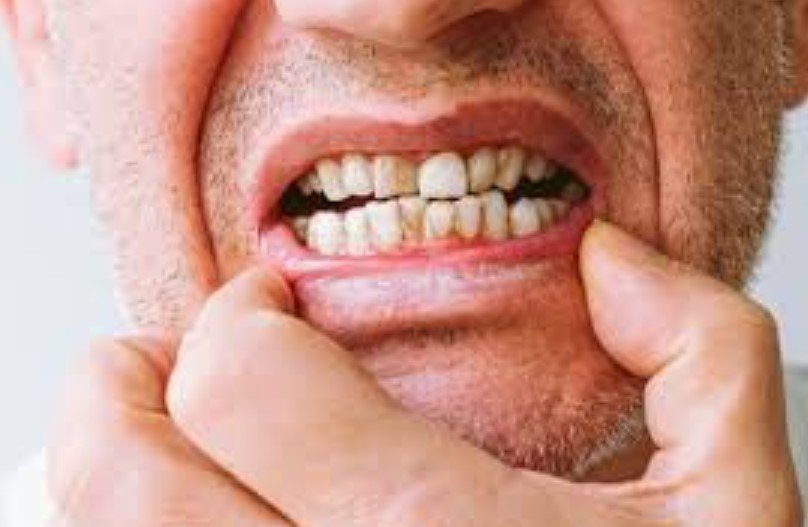
Receding gums can be easy to miss at first. Maybe your teeth look a little longer than they used to. Maybe cold drinks suddenly sting near the gumline. Or maybe you notice small notches near the roots when you brush. Gum recession happens when gum tissue pulls back from the tooth, exposing more of the tooth surface or even part of the root. It is often linked to gum disease, plaque buildup, tartar, and inflammation, although brushing too hard and other habits can also make it worse. NIDCR explains that gum disease begins when plaque builds up on the teeth and hardens, leading to swollen, red, and bleeding gums, and if untreated it can progress to damage around the teeth. (NIDCR)
If you are searching for what to do for receding gums at home, the most important thing to know is this: home care can help control irritation, reduce plaque, protect exposed roots, and slow further recession, but it usually cannot regrow gum tissue that has already been lost. In many cases, at-home care works best when combined with professional dental treatment, especially if gum disease or tartar buildup is already present. Mayo Clinic notes that more advanced gum disease may require deeper professional treatment, and exposed roots with sensitivity may sometimes need a gum graft for protection. (Mayo Clinic)
Table of Contents
What Are Receding Gums?
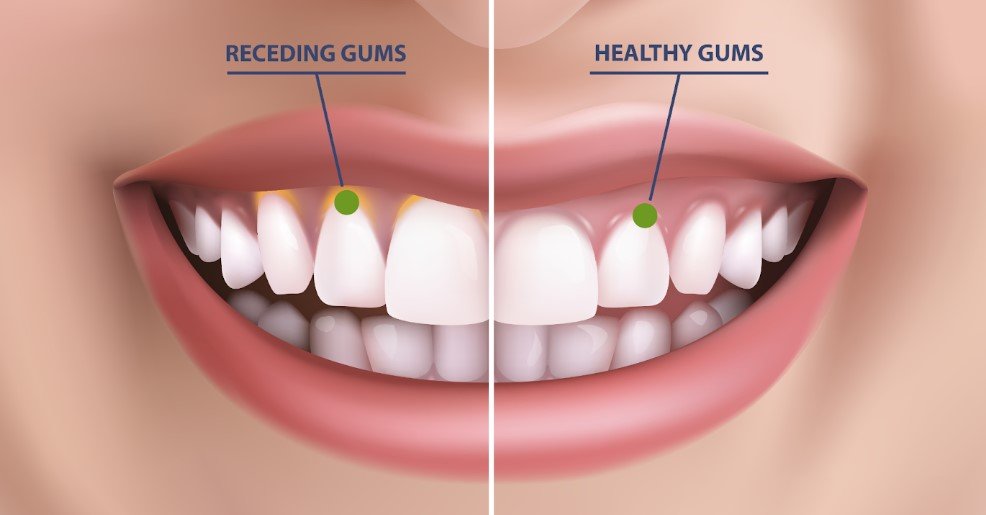
Receding gums happen when the gumline pulls away from the teeth. This can expose the root surface, which is more sensitive and more vulnerable than enamel-covered parts of the tooth. Recession may affect one tooth or several teeth, and it often develops gradually. Periodontitis, a severe gum infection, can damage the soft tissue and bone supporting teeth and lead to gum changes, pocketing, and tooth loss if it is not treated.
At home, you may notice receding gums through everyday symptoms. Your teeth may seem longer, the gumline may look uneven, or you may feel sensitivity when drinking something cold or brushing near the roots. Those changes do not always mean an emergency, but they do mean your gums need attention sooner rather than later. NHS guidance also notes that gum disease can make gums red, swollen, sore, and prone to bleeding. (nhs.uk)
Can You Treat Receding Gums at Home?

You can do a lot at home to help manage receding gums, especially if the problem is linked to plaque, early gum inflammation, or irritating habits. Good home care helps by reducing plaque, limiting inflammation, and protecting the teeth and gums from further injury. NIDCR says gingivitis, the early stage of gum disease, can usually be reversed with daily brushing and flossing along with regular professional cleaning. (NIDCR)
But there is an important limit. Home care cannot remove tartar once it has hardened on the teeth, and it does not usually rebuild gum tissue that has already receded. Only professional cleaning removes tartar, and more advanced recession may require dental treatment. That is why the best at-home approach is not “do everything yourself.” It is “do the right daily things, and get professional help when needed.”
Also Read: What to Use for Receding Gums: Best Options for Healthier Gums
Start With the Most Important Step: Better Plaque Control
The single most helpful thing to do for receding gums at home is to improve plaque control. Plaque is the sticky film of bacteria that builds up on teeth every day. If it stays in place too long, it irritates the gums and can harden into tartar. NIDCR explains that poor brushing and flossing habits allow plaque to build up and harden, setting the stage for gum disease.
That means your daily routine matters more than any miracle product. A consistent, gentle oral hygiene routine is the foundation of caring for receding gums at home.
Use a Soft-Bristled Toothbrush
One of the best things to use for receding gums is a soft-bristled toothbrush. If your gums are already sensitive or your roots are exposed, a stiff or aggressive brush can make brushing uncomfortable and may irritate the gumline further. NHS guidance recommends a small-headed toothbrush with soft filaments and careful plaque removal. Mayo Clinic also advises brushing with a soft-bristled toothbrush and using gentle strokes rather than scrubbing.
This is one of the simplest changes you can make at home, and it often helps right away. Many people think harder brushing means cleaner teeth, but that is not true. The goal is to remove plaque, not to scrape the gums.
Brush Gently, Not Aggressively
Technique matters just as much as the toothbrush itself. If you brush too hard, especially with a sawing motion at the gumline, you can irritate tender areas and possibly worsen recession over time. Mayo Clinic specifically recommends gentle strokes and avoiding vigorous brushing.
A good home habit is to brush twice a day for two minutes using light pressure. Focus on being thorough rather than forceful. If your gums bleed, that does not automatically mean you should stop brushing. In many cases, bleeding is related to plaque and inflammation rather than brushing too much, and careful regular cleaning can help reduce that inflammation.
Use Fluoride Toothpaste Every Day
If your gums are receding, fluoride toothpaste is a smart choice because exposed root surfaces are more vulnerable to decay. ADA home oral care recommendations advise brushing twice a day with fluoride toothpaste, and NHS guidance also recommends twice-daily brushing with fluoride toothpaste. (ADA)
Fluoride will not reverse gum recession, but it can help protect the teeth, especially around the exposed root area. That makes it an important part of a practical at-home plan.
Clean Between Your Teeth Daily
Brushing alone does not fully clean between the teeth, and plaque often collects in those hard-to-reach areas. ADA guidance says floss and other interdental cleaners help remove debris and plaque between teeth and reduce the likelihood of gum disease and tooth decay. NIDCR also notes that flossing cleans where brushing cannot reach and helps disrupt plaque before it hardens.
If you want to know what to do for receding gums at home, daily interdental cleaning is one of the highest-value habits you can adopt. It helps reduce the bacterial buildup that can keep gums inflamed. Whether you use floss or another interdental cleaner, the key is consistency.
Protect Sensitive Roots
Receding gums often expose root surfaces, and exposed roots can be sensitive. You may notice discomfort when eating sweets, drinking something cold, or brushing close to the gumline. Mayo Clinic notes that a gum graft may protect an exposed root and lessen sensitivity in more advanced cases, but it also recommends brushing gently, using a soft-bristled toothbrush, and using fluoride toothpaste as part of ongoing care.
At home, the most practical approach is to reduce irritation while protecting the area. Use gentle brushing, avoid abrasive toothpastes, and pay attention to whether certain foods or habits trigger sensitivity. If symptoms keep worsening, it is time to let a dentist evaluate the exposed area.
Be Careful With Mouth Rinses and Home Remedies
Some people look for quick home remedies like strong rinses, harsh antiseptics, or frequent salt-water rinsing. While mild salt-water rinses or dentist-recommended rinses may sometimes soothe irritated tissue, they should not replace plaque removal or professional care. NHS self-care guidance notes that antiseptic mouthwash or warm salt water may help sore gums in some cases, but if symptoms do not improve within a week or so, a dentist should be contacted.
The bigger point is that rinses can be supportive, but they are not the main solution. Receding gums are usually driven by plaque, gum disease, brushing habits, or other underlying issues. A rinse cannot solve those by itself.
Do Not Ignore Bleeding Gums
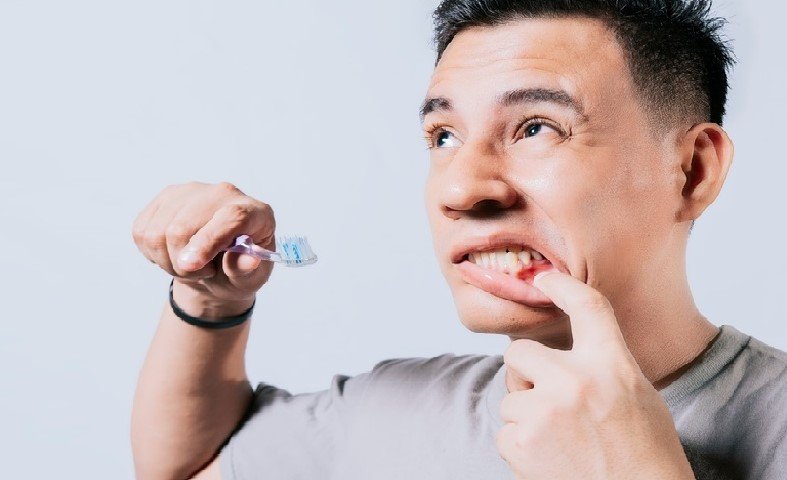
A lot of people assume bleeding gums are normal, especially if they happen only during brushing. They are common, but they are not something to brush off. NHS says gum disease often makes gums red, swollen, sore, and prone to bleeding. If your gums bleed regularly, that usually signals inflammation that needs better plaque control and sometimes professional care.
At home, the right response is not to stop cleaning the area entirely. It is to clean carefully and consistently so plaque can be reduced. If bleeding continues, that is a sign to schedule a dental checkup.
Avoid Habits That Can Make Recession Worse
Home care is not only about what you should do. It is also about what you should stop doing. Scrubbing hard with a toothbrush, skipping flossing, ignoring bleeding gums, and using abrasive products can all work against healthier gums. Mayo Clinic’s sensitive-teeth guidance specifically recommends avoiding abrasive toothpastes and not brushing vigorously.
If you grind your teeth, that may also increase strain on teeth and contribute to sensitivity. Mayo Clinic notes that people who grind their teeth should ask their dentist about a mouth guard.
Build a Better Daily Routine
A simple routine is usually the best one to follow. Brush twice a day for at least two minutes with a soft-bristled toothbrush and fluoride toothpaste. Clean between your teeth daily. Keep your brushing gentle and consistent. ADA recommendations for home oral care emphasize brushing twice a day with fluoride toothpaste, cleaning between teeth daily, and seeing a dentist regularly for prevention and treatment.
This kind of routine may not sound dramatic, but it is the most evidence-based approach for controlling the causes of gum recession at home.
Know When Home Care Is Not Enough
Home care is valuable, but it has limits. If plaque has already hardened into tartar, brushing and flossing cannot remove it. NIDCR states that only a professional cleaning by a dentist or dental hygienist can remove tartar. If gum disease has progressed to deeper pockets or periodontitis, deeper cleaning or referral to a periodontist may be needed.
That means you should not rely on home care alone if you notice worsening recession, persistent bleeding, increasing sensitivity, bad breath, painful chewing, or loose teeth. Those are signs that the issue may have moved beyond what home care can manage.
When to See a Dentist

See a dentist if your teeth look longer, your gums keep bleeding, the gumline seems to be pulling back, or sensitivity around the roots is getting worse. Mayo Clinic explains that gum disease evaluation may include checking the gums and measuring the pocket depth around the teeth.
Professional care is especially important if you think gum disease may be the cause. NIDCR notes that untreated gum disease can progress and damage the tissues and bone supporting the teeth.
Can Receding Gums Grow Back on Their Own?
This is one of the most common questions, and the honest answer is usually no. Home care can reduce inflammation and help prevent more recession, but it typically does not make lost gum tissue regrow. If tissue loss is significant, your dentist may discuss treatments like a gum graft to protect exposed roots and improve comfort. Mayo Clinic specifically notes that a gum graft may protect exposed roots and reduce sensitivity.
That is why acting early matters. The earlier you improve your routine and get dental advice, the better your chance of limiting further damage.
Final Thoughts
If you are wondering what to do for receding gums at home, focus on the things that truly help: brush gently twice a day with a soft-bristled toothbrush and fluoride toothpaste, clean between your teeth daily, avoid aggressive brushing, and stay alert to signs of gum disease like bleeding, swelling, or tenderness. These steps help reduce plaque, protect exposed roots, and support healthier gums over time.
But remember that home care works best as early support, not as a replacement for dental treatment when gum disease or tartar is already present. If your gums keep receding or your symptoms are getting worse, the smartest next step is a professional dental check. That is often the best way to protect your smile before a small problem becomes a bigger one.